
“And the peace of God, which transcends all understanding, will guard your hearts and your minds in Christ Jesus.” ~ Philippians 4:7
The word Paul uses for guard is a military term. It evokes the image of soldiers standing watch at the gates of a city, protecting something precious from harm. Peace, in this passage, is not a fleeting feeling or passive emotion. It is an active, protective presence.
Notice the order of Paul’s words. First comes the declaration: “The Lord is near.” Then the invitation: “Present your requests to God.” Only then does he speak of the peace of God guarding our hearts and minds.
The sequence matters. Nearness precedes peace. Expression precedes regulation. Attachment precedes calm. Paul does not begin with a command to stop feeling anxious. He begins with a relationship. Before there is peace, there is Presence.
This reflects the very logic of secure attachment. A young child can play freely in a park because she knows her mother is nearby. If she suddenly looks up and cannot find her, anxiety rises almost instantly. Her nervous system is not calmed by information or reassurance alone but by the felt presence of someone she trusts. Proximity creates safety.
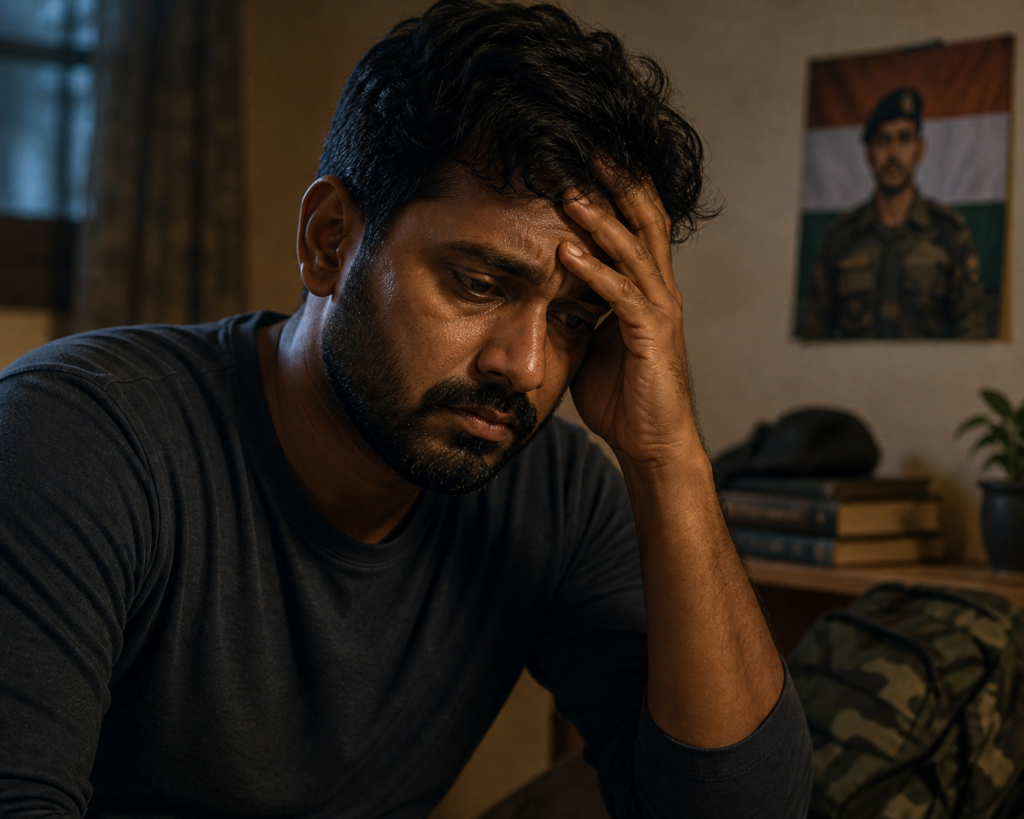
In much the same way, our anxiety does not simply disappear because we are told, “Do not be anxious.” It begins to settle as we experience the reality that the Lord is near. When Paul says that God’s peace will guard our hearts, he is speaking of our emotional world, our longings, fears, griefs, and attachment needs.
Those who have experienced insecure attachment often carry hearts easily overwhelmed by shame, abandonment, or hypervigilance. Peace guarding the heart does not mean these emotions vanish. Rather, they are held within the safety of God’s faithful presence. They no longer surge through an undefended inner world.
God’s peace also guards the mind. Trauma often trains the mind to anticipate danger. It catastrophises, scans constantly for threat, and rehearses worst-case scenarios. Yet when the nervous system begins to experience safety, the mind gradually reorganises. Catastrophic thinking loosens its grip because the brain no longer believes it must face every threat alone.
There is an important difference between being defended and being guarded. A defended heart says, “No one gets in.” A guarded heart says, “Someone trustworthy is already here.” One is built on self-protection; the other on secure presence.
Trust in God is rarely formed through a single dramatic experience. Like human attachment, it grows through consistency, responsiveness, presence, and repair, through thousands of ordinary moments in which we turn toward God and discover that He does not turn away.
This truth became deeply personal for me after my accident. I expected the physical pain. I was unprepared for the anxiety that followed. During the night, my body would suddenly awaken in alarm. My heart raced. My thoughts spiralled. My nervous system reacted as though the crisis were still unfolding. I knew I was home. I knew the surgery was over. I knew I was safe. Yet my body had not caught up with what my mind already knew. In many ways, my body was still living in Sri Lanka while my mind knew I was back in Australia. Trauma had separated the two.
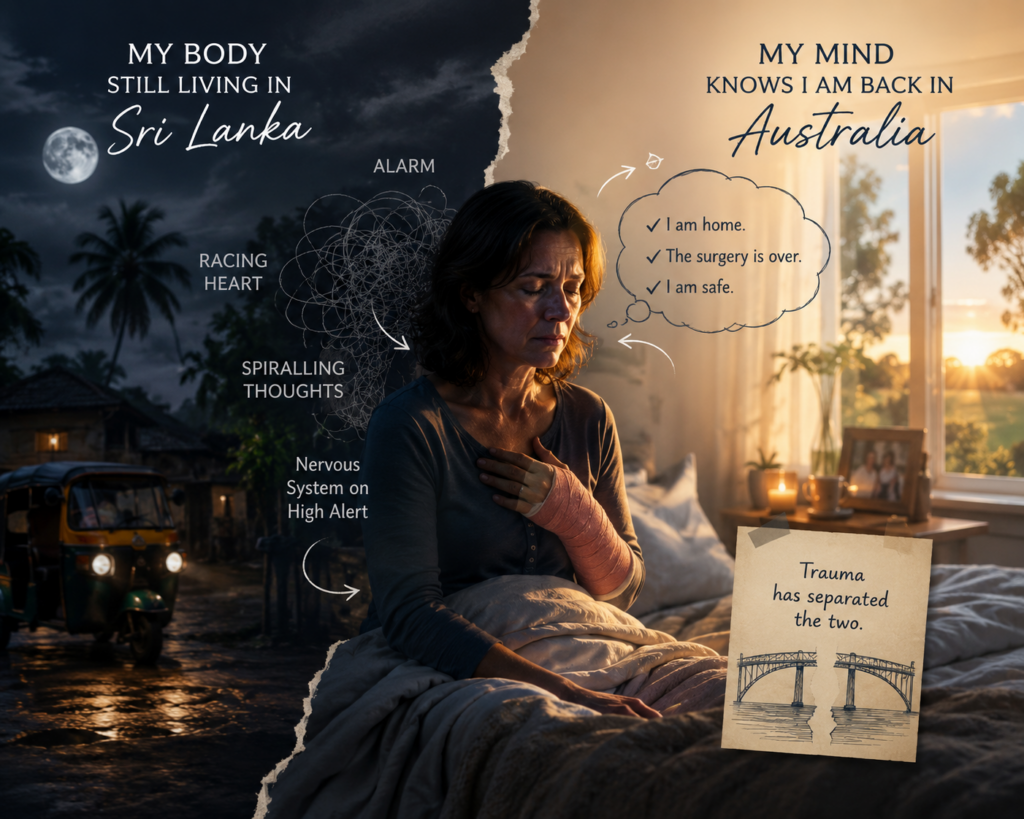
At first, I wondered why my prayers were not immediately bringing peace. Some nights I still woke in panic. My body remained on high alert even though I had entrusted everything to God. Gradually, I realised that God’s promise was not that I would instantly feel peaceful. His promise was that His peace would stand guard over me while my heart and body slowly learned that the danger had passed. What I needed most was not more information (I already knew loads of that), but more presence.
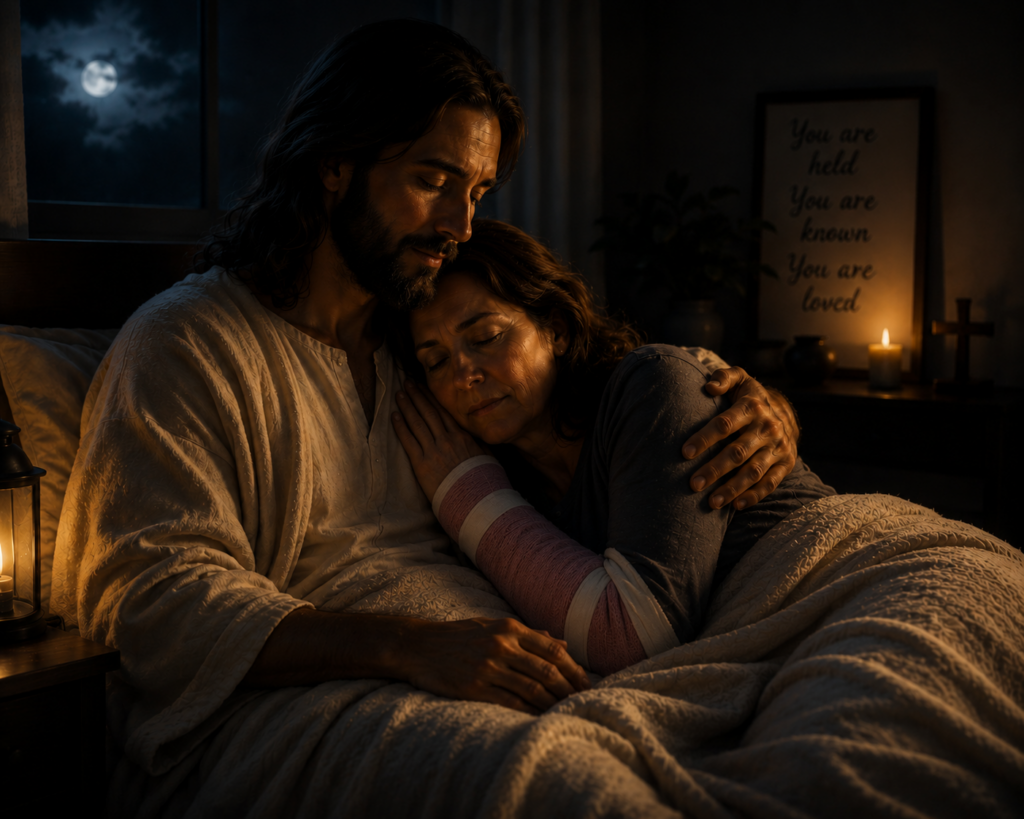
In those wakeful hours, I found myself returning again and again to one simple truth: The Lord is near. Before I tried to calm myself, before I searched for answers, before I analysed what was happening, I needed to remember that I was not facing the darkness alone. Sometimes all I could pray was, “Jesus, hold me.” Looking back, I realise He already was.
Night after night, I discovered that His peace was not always the sudden removal of anxiety but His faithful presence within it. Slowly, my body began to believe what my faith already knew. My circumstances had not immediately changed, but I was no longer carrying them alone.
Each time we bring our fears, grief, or need to Him and discover Him faithful, something changes within us. New pathways of trust are gradually strengthened. Need no longer automatically leads to panic. It increasingly becomes an invitation to connection.
Over time, peace becomes internalised, not because we have mastered a technique, but because we have come to know a Person. Perhaps this is what Paul means. Peace is not merely a feeling God gives us. It is what grows within us as we learn, again and again, that we are held by the One who never leaves.
A guarded heart is not a heart that has never been wounded. It is a heart that has learned where it is safe to rest.

About the Author
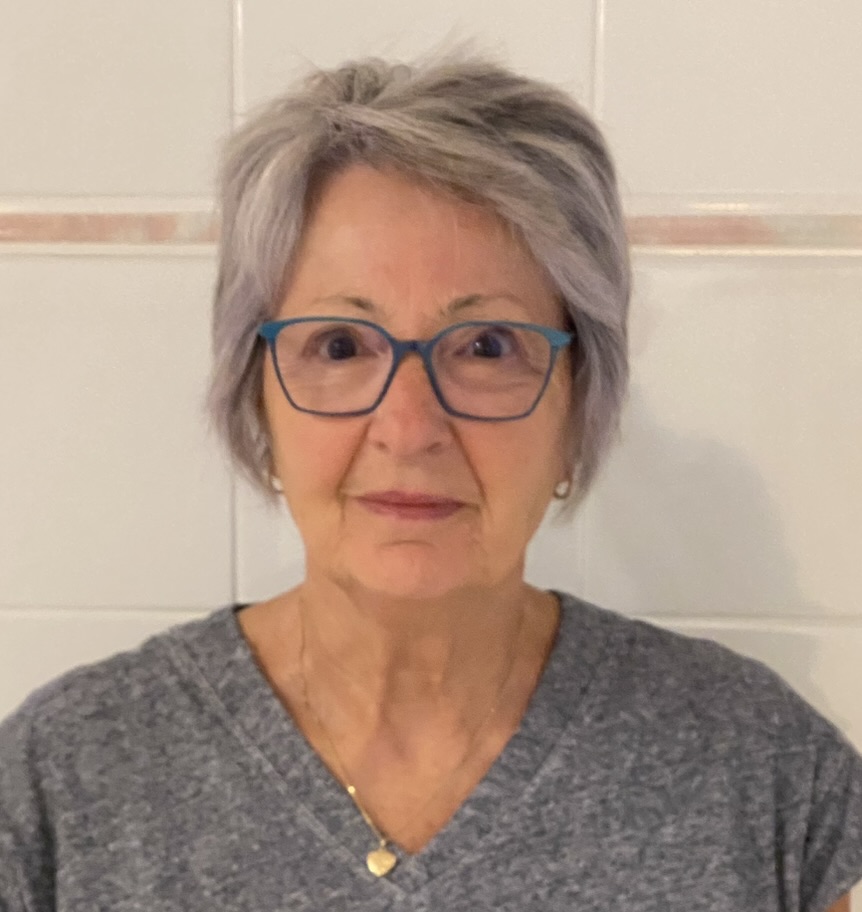
Dr Paula Davis has spent much of her life sitting with people in some of their darkest moments, and somehow still believes deeply in hope. A clinical counsellor, supervisor, educator, and self-confessed lifelong student of trauma, Paula has taught, researched, and worked alongside counsellors and communities across Australia and overseas. Her doctoral research explored how Western trauma approaches can be adapted for collective cultures, a passion that continues to shape everything she writes and teaches.
Together with her husband Barry (of over five decades), she has travelled the world helping couples strengthen their relationships and co-authored A Safe Place: A Marriage Enrichment Resource Manual. She is also the author of Eating Water, Drinking Soup: Finding Nourishment in the Deepest Pain, Exploring the Roots of Heartache: The Stories Our Pain Is Trying to Tell, and After the Breaking: Psychological Trauma and Collective Healing.
These days, Paula is officially “retired,” although nobody seems to have told her calendar. She still writes, teaches, mentors, and is forever collecting stories, books, and ideas that help people heal. When she’s not immersed in trauma theory or rewriting chapters for the twentieth time, you’ll probably find her walking along the beach near her home on the east coast of Australia, swimming in the surf, sharing coffee with Barry, or plotting her next overseas adventure. She firmly believes that good conversations, beautiful sunsets, and God’s grace have remarkable healing properties.