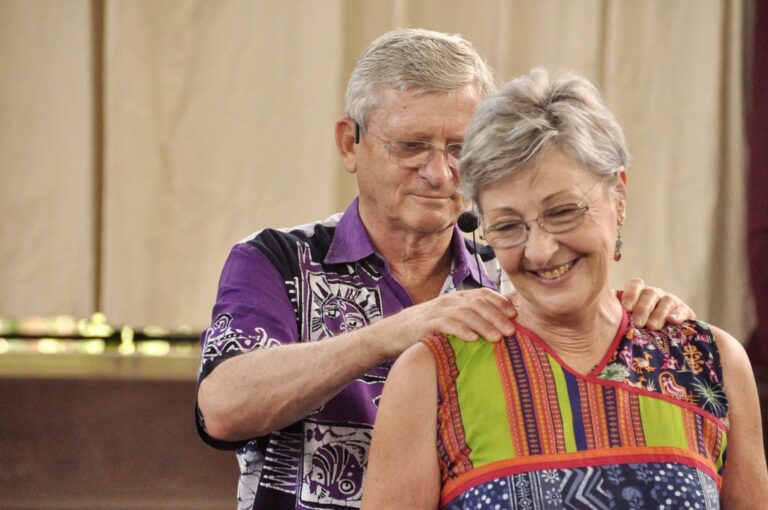
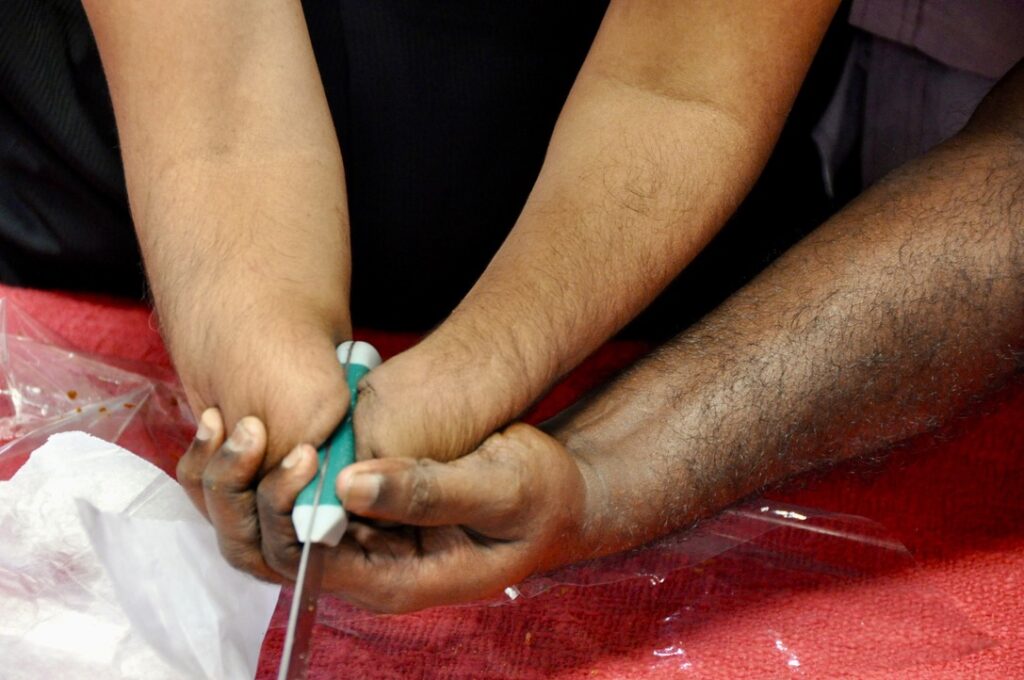
I returned home a different person from the one who left Australia for ministry in a developing country. Five weeks after my accident and surgery whilst there, the physical and emotional journey continues. During this time, I have found myself wrestling with the purpose of suffering and repeatedly asking the question: Was it worth it? While I certainly don’t have all the answers, I am beginning to recognise a number of truths that I now hold with greater conviction.

1. Suffering Reshapes Our Character
James writes: “Consider it pure joy… whenever you face trials, because you know that the testing of your faith produces perseverance” (James 1:2–4). James is not suggesting that suffering itself is joyful. Rather, he points us to what God can accomplish through it. The goal is not simply endurance but maturity.
I’m increasingly convinced that my deepest wounds can become the very places where God’s grace is most clearly revealed. Suffering has a way of stripping away the false selves I have carefully constructed, the need to appear strong, capable, self-sufficient, or in control, and replacing them with something far more enduring: a life marked by humility, compassion, deeper dependence on God, and faithful service.
This does not mean suffering is good or that any of us should seek it. Scripture never glorifies pain for its own sake. Rather, it assures us that God is able to redeem what was never meant to destroy us. In His hands, suffering does not have the final word. Instead, it often becomes the place for me where my calling is refined, my faith deepened, and His grace made visible in ways that a life of uninterrupted comfort rarely could.
Perhaps that is one answer to the question that has stayed with me since my accident: Was it worth it? Not because the pain itself was desirable, but because if suffering draws me closer to Christ, shapes His character within me, and enables me to love and serve others more faithfully, then it has not been wasted. I am convinced that God does not waste suffering. He redeems it, weaving even my deepest wounds into His greater purposes.
2. Suffering Increases Our Capacity to Comfort Others
Perhaps the clearest biblical connection between suffering and ministry comes from Paul when he says, “Praise be to the God… of all comfort, who comforts us in all our troubles, so that we can comfort those in any trouble with the comfort we ourselves receive from God” (2 Corinthians 1:3–4). Our wounds can become places from which we minister. Henri Nouwen described this as the “wounded healer.” I’m certain that my greatest ministry flows from places where God has first met me in my own pain.
3. Seeing Home Through Different Eyes
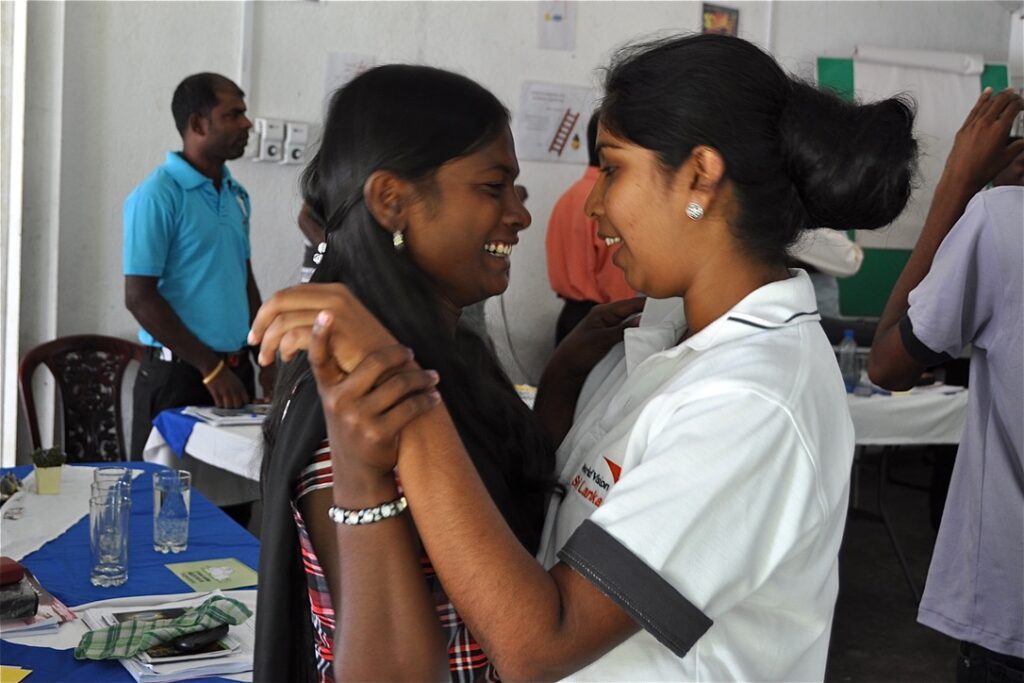
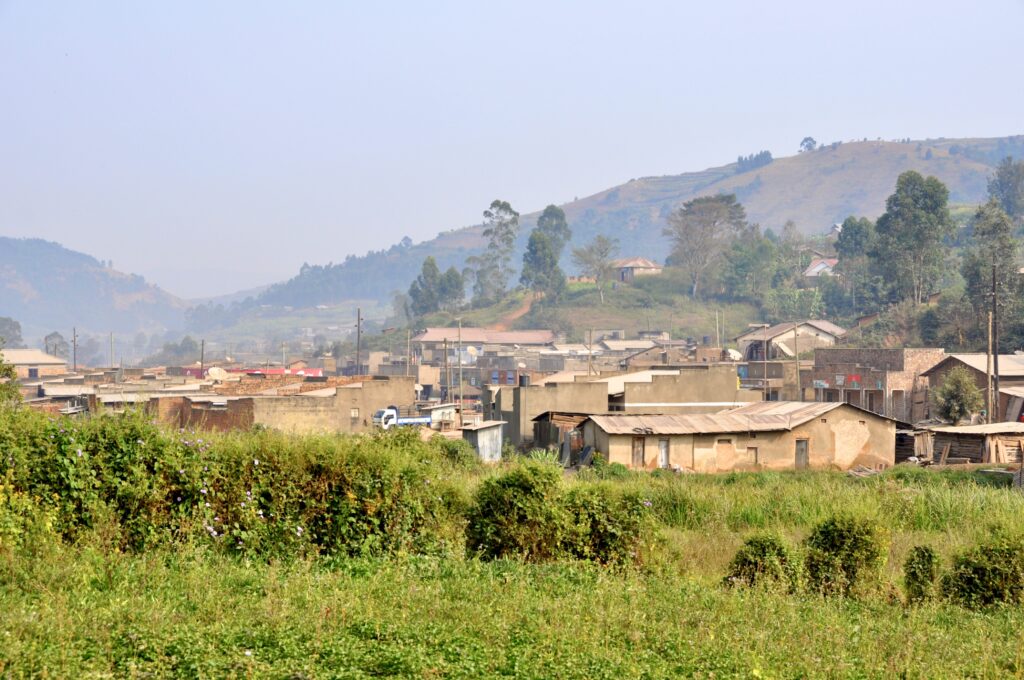
Over the years, one of the great surprises after returning home from developing countries has not been adjusting to their cultures but readjusting to my own. Like many people who have spent extended time in developing countries, I find myself looking at Australia through different eyes. The contrast is confronting. After spending time among people who often possess little yet display extraordinary generosity, community, and resilience, I return to a culture where success is so easily measured by comfort, consumption, and personal fulfilment. It makes me stop and think.
This is not to suggest that collective cultures are somehow superior or without their own challenges. They are not. Collective societies can place enormous pressure on conformity, family expectations, and maintaining harmony. Individual needs are sometimes sacrificed for the good of the group. Privacy and personal boundaries may be limited, change can be resisted, and unhealthy family patterns may be protected out of loyalty or fear of bringing shame. Every culture has strengths, and every culture has blind spots.
Yet after this accident, I find myself questioning some of my own assumptions. Having lived among people who find joy in relationships rather than possessions, who naturally share what little they have, and who face adversity together rather than alone, I wonder whether our Western pursuit of comfort, convenience, and self-sufficiency has quietly cost us something far more valuable.
4. Calling Doesn’t Retire
Soon after I arrived home, a dear friend visited me. Seeing how physically and emotionally exhausted I was, she gently said, “You are allowed to stop now.”
She meant I had earned the right to retire. Her words stayed with me. After more than forty years of counselling, teaching, and travelling, perhaps it was time to step back, enjoy a quieter life, and stop carrying the burdens of others.
There was wisdom in what she said. But as I sat with the question before God, I realised something. I don’t want to retire from what God has called me to do. My body has changed. My energy is more limited than it once was, and I cannot do what I did twenty years ago. But calling is different from career. A career eventually ends. A calling becomes part of who you are. Perhaps this is one of the gifts of growing older, that a lifetime of joys, losses, failures, and faithfulness slowly ripens into wisdom.
Western culture often presents retirement as the reward for decades of hard work. Yet in many of the cultures I have visited, people may stop formal employment, but they rarely retire from serving their family, their community, or their faith. Their purpose continues long after the pay cheque ends. I’m certain that retirement is not meant to signal the end of my contribution, but simply the beginning of a different way of giving it.
5. Pain Clarifies What Really Matters
Pain has a remarkable way of exposing what truly matters. Paul eventually wrote, “Whatever were gains to me I now consider loss for the sake of Christ” (Philippians 3:7). Many people discover their deepest calling only after losing the career, health, reputation, or certainty they once depended upon.
The same pattern appears throughout Scripture:
- Joseph’s betrayal prepared him to preserve nations.
- Moses’ wilderness years prepared him to lead Israel.
- David’s years fleeing Saul shaped the shepherd king.
- Jeremiah’s tears became part of his prophetic ministry.
- Peter’s failure prepared him to strengthen others.
- Paul’s imprisonments produced letters that still shape the Church.
- Above all, Jesus fulfilled His mission through the Cross.
The suffering itself was never the calling. God worked through the suffering to prepare them for it.
6. Following Christ into Whatever Comes Next
I don’t know what the next chapter will look like, but I do know this. If Christ is still calling, then I still want to follow. Perhaps I’ll follow a little more slowly, a little more wisely, and certainly more aware of my dependence upon Him. My prayer is no longer that I can do everything I once did. It is that I would faithfully steward whatever He places in my hands today.
Perhaps that is what this season of life is teaching me, not to strive harder, prove myself, or remain endlessly productive, but to live with open hands, holding every opportunity, every limitation, every joy, and every disappointment before God, because, in the end, a meaningful life is not defined by comfort or ease. It is shaped by authenticity, refined through suffering, and revealed in faithful service.
I cannot honestly say I have fully lived that life, but I can say with all my heart that it is the life I long to live.
Conclusion
I still don’t know why this accident happened, and I may never fully understand this side of eternity. But I am beginning to see that the question is not simply: Why did I suffer? It is also: What is God forming in me through it? As I continue to heal, I do so with different eyes. I see my life, my calling, and my future a little differently than before. My body may feel vulnerable, but my faith is deeper. My plans may have changed, but God’s purposes have not. Perhaps it is enough that I’m being drawn me closer to Christ. If so, it has not been wasted.
About the Author
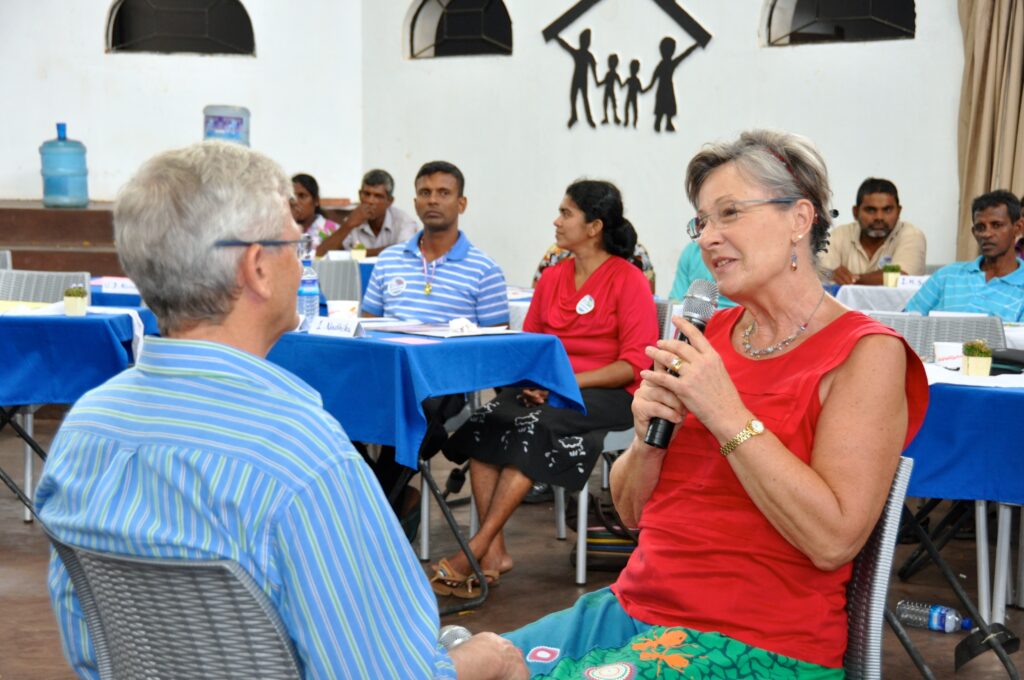
Dr Paula Davis has spent much of her life sitting with people in some of their darkest moments, and somehow still believes deeply in hope. A clinical counsellor, supervisor, educator, and self-confessed lifelong student of trauma, Paula has taught, researched, and worked alongside counsellors and communities across Australia and overseas. Her doctoral research explored how Western trauma approaches can be adapted for collective cultures, a passion that continues to shape everything she writes and teaches.

Together with her husband Barry (of over five decades), she has travelled the world helping couples strengthen their relationships and co-authored A Safe Place: A Marriage Enrichment Resource Manual. She is also the author of Eating Water, Drinking Soup: Finding Nourishment in the Deepest Pain, Exploring the Roots of Heartache: The Stories Our Pain Is Trying to Tell, and After the Breaking: Psychological Trauma and Collective Healing.
These days, Paula is officially “retired,” although nobody seems to have told her calendar. She still writes, teaches, mentors, and is forever collecting stories, books, and ideas that help people heal. When she’s not immersed in trauma theory or rewriting chapters for the twentieth time, you’ll probably find her walking along the beach near her home on the east coast of Australia, swimming in the surf, sharing coffee with Barry, or plotting her next overseas adventure. She firmly believes that good conversations, beautiful sunsets, and God’s grace have remarkable healing properties.