What My Body Remembered Part 5

I am discovering that healing does not require me to abandon the frightened child I once was. Instead, I can bring her with me into the safety of the present and the compassionate presence of God.
Your blog category

I am discovering that healing does not require me to abandon the frightened child I once was. Instead, I can bring her with me into the safety of the present and the compassionate presence of God.

Was it worth it? The question still reverberates.

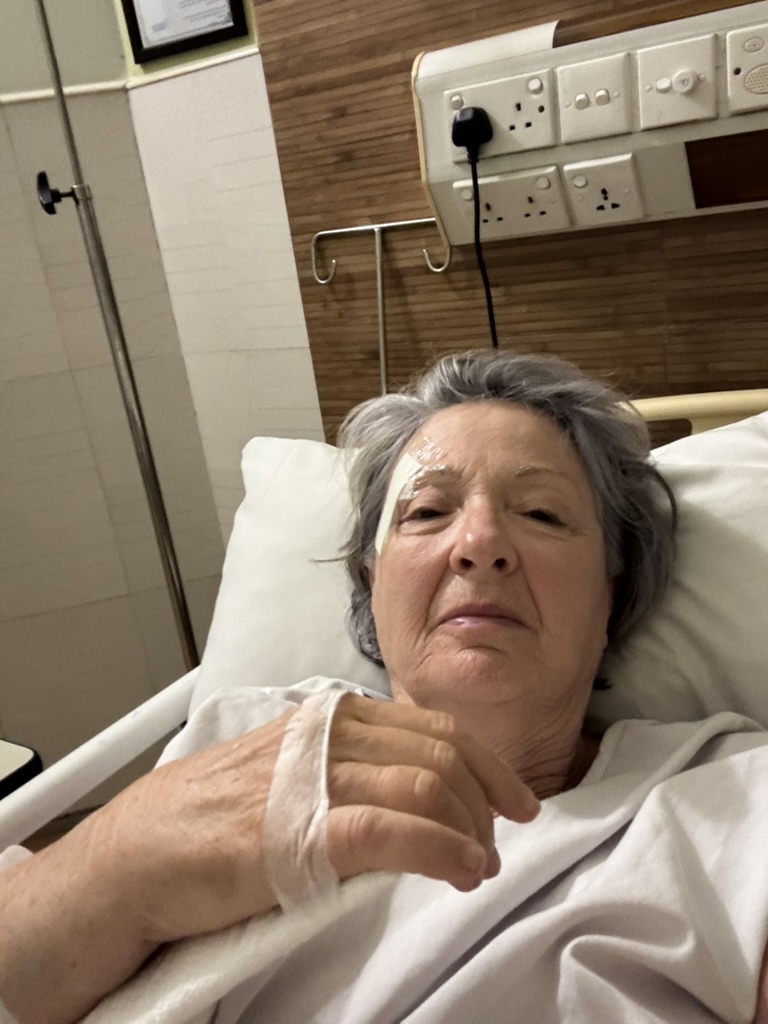
For weeks after returning home from Sri Lanka, one question keeps surfacing. "Lord... was it worth it?" It isn't really about my fractured wrist, or the surgery, or the panic, or the sleepless nights or the loss of my wedding and engagement rings. Those were simply the final chapter of a much longer story.

As we flew out of Sri Lanka, I felt as though I had been torn away before I was ready. There had been no proper goodbye and no sense of closure. As the plane lifted over the palm trees and lush green landscape, a message arrived from a dear friend. "In a few moments you will be off the shores of Sri Lanka. Thank you, my friends, for the investment in our lives. Only heaven will tell you the impact you've had."

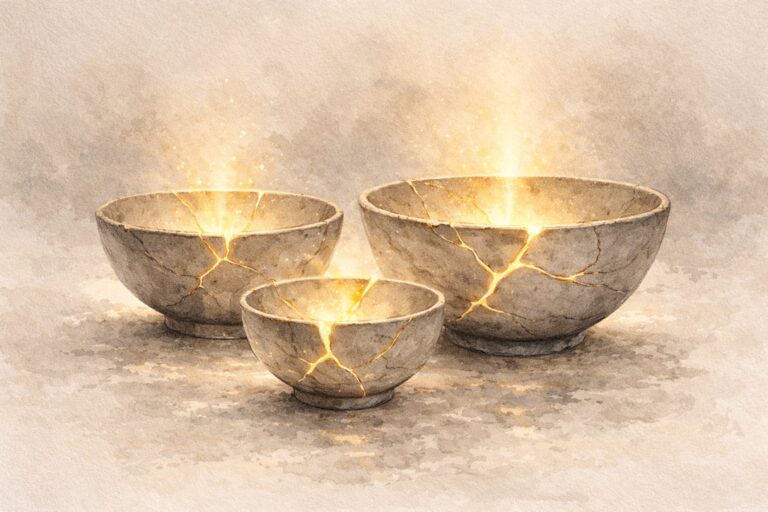
Love was never meant to pour endlessly from a broken cup. Yet many of us have tried, exhausting ourselves, hoping our efforts would be enough to fill another, or to silence our own emptiness. But marriage, like all human relationships, was never meant to replace the love that only God can give. It is not a solution to our brokenness, but a sacred space where our brokenness is revealed, and redeemed.

There is a quiet mystery in marriage, where joy and sorrow mingle, and our deepest desires are laid bare. We come with our hands full of hope and leave with hearts shaped by grace. In the ordinary moments of pain and tenderness, God invites us to see each other anew, not as fixers or saviours, but as fellow pilgrims learning how to love.

True Biblical manhood is about carrying strength with restraint, exercising authority with humility, and wielding power with self-sacrificing love, the kind of manhood embodied perfectly by Jesus.

In a world that often defines manhood by external achievements or rigid societal expectations, the true calling of men can feel elusive. This article explores the profound question of what it truly means to be made in God’s image, not just as a reflection of power or dominance, but as an invitation to engage in vulnerability, responsibility, and spiritual authenticity. It calls men to wrestle with their identity, seeking to redefine roles and purpose not from the world’s standards, but through the deep well of divine calling.

“Show me a man who can listen to a woman and not try to fix her problem but rather just listen to her and be there for her, show me a woman who can sit with a man who shares…

To deepen my understanding of complementarianism and egalitarianism, I turn to Proverbs 31. As I revisit Proverbs 31:10-31, I begin to see it through a fresh lens. This passage, often upheld as a blueprint for the "ideal woman," introduces the eshet chayil, translated as the "wife of noble character" or, more vibrantly, the "woman of valour."