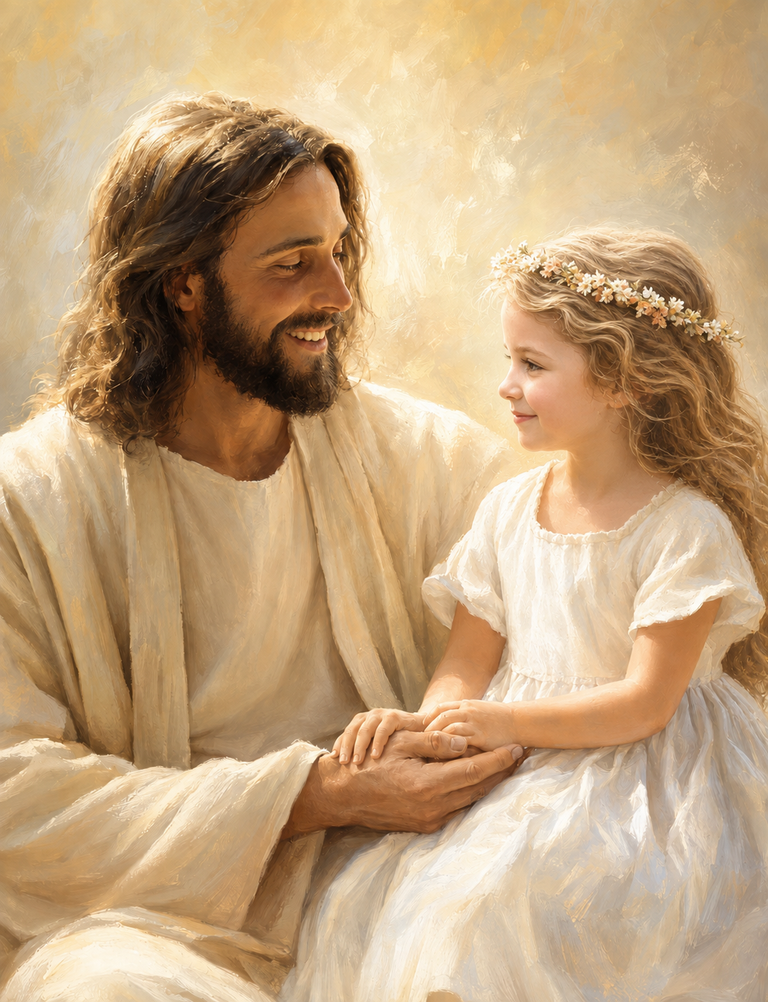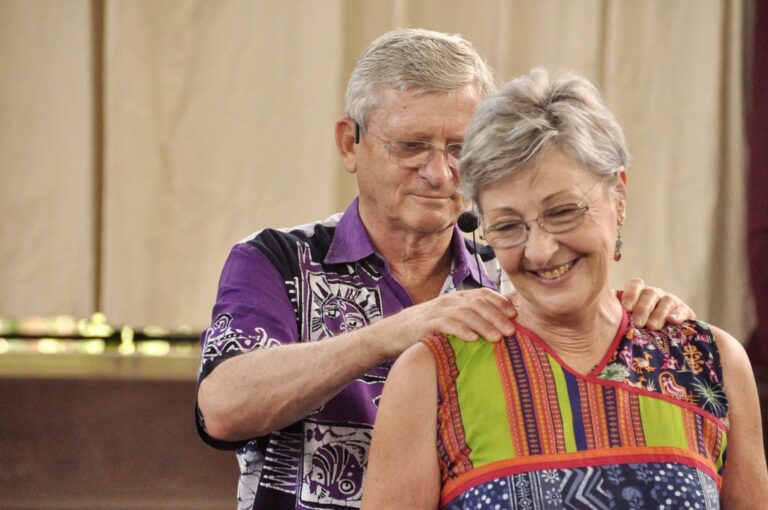
“Show me a man who can listen to a woman and not try to fix her problem but rather just listen to her and be there for her, show me a woman who can sit with a man who shares this vulnerability and still love him the way he is, and I’ll show you a man and woman who are courageous and have done their work. It’s about intention—’Can this be the safest place that we have: with each other, you can be afraid with me and I can be afraid with you.’” — Brené Brown
“All men dream: but not equally. Those who dream by night in the dusty recesses of their minds wake in the day to find that it was vanity: but the dreamers of the day are dangerous men, for they may act their dream with open eyes to make it possible.” — T.E. Lawrence, Lawrence of Arabia
“Greater love has no one than this: to lay down one’s life for one’s friends.” — John 5:13
Breaking the Chains of Masculine Expectations
In a world that often pressures men to embrace strength at the expense of vulnerability, the true weight of being a man remains hidden beneath layers of expectation, performance, and self-protection. He, Unmasked invites readers to explore the tender, often unspoken reality of what it means to be a man in a complex, evolving world. Through a journey of unmasking the pressures of masculinity and embracing emotional honesty, this srticle calls men to reclaim their authenticity and tenderness. By confronting the emotional cost of societal expectations, we begin to uncover the beauty of vulnerability, where true strength is found not in the armour we wear, but in the courage to be fully known, deeply loved, and freely human.
Assumptions About Men
I must admit, I am a woman writing about men. Men have always played a significant role in my life, first my father, then my husband and son, and later, my male clients. These relationships have been, at various times, uneasy, frustrating, perplexing, rich, meaningful, beautiful, and heartbreaking. Sometimes, they’ve been all of these things at once! Over the years, I’ve often found myself questioning: What assumptions do I hold about how men think, feel, and what they truly need?
If you’re a man reading this, I invite you to pause for a moment. Close your eyes and let the following statements wash over you. Notice what arises, your thoughts, sensations in your body, and the feelings each statement evokes.
- She keeps nagging me to change.
- I’m afraid my wife is going to leave me.
- I’m afraid my wife might find out I’ve been seeing someone.
- My job just doesn’t do it for me anymore.
- Why is she doing this to me?
- I just want things to be as they were.
- All I ever do is work… work… work… No one ever appreciates what I do.
- I’ve had enough. I just want to get on a train and keep going.
Garrison Keillor (1994) humorously suggests that, in the past, manhood was an opportunity for achievement, but now it has become a challenge to overcome. Men are expected to embody an ideal, a “Mr. O.K.”, that includes baking a cherry pie, playing basketball, preparing meals, engaging in intimate conversations, showing vulnerability, laughing, crying, and then returning to work to lift bales of hay. This multifaceted ideal is what women are encouraged to accept.
What does Keillor’s thoughts evoke in you?
I have a soft spot for men. Years ago, when I presented a workshop titled Men and Their Emotions, the responses were revealing. Common comments included, “Men don’t have emotions!” or “Do men even have emotions?” Many wives nudged their husbands, saying things like, “Why don’t you go?” or “You really should go.”
I don’t believe men intentionally avoid emotions. Rather, emotions often feel like an unfamiliar country, a foreign land with a language they don’t fully understand or know how to speak.
Three Significant Men
My Father
Culturally, my father’s generation was shaped by rigid roles: men were providers, women took care of the children, and emotional labour was left to the women. Anger was often the only socially acceptable emotion for men to express. My mother, on the other hand, was lonely, frustrated, misunderstood, and deeply unhappy in her marriage. Her defence was to be demanding, and angry fights became the backdrop of my childhood. Our home was marked by tension, separations, and the looming threat of divorce.
After one particularly intense argument, I couldn’t take it anymore and ran out the door. My father drove around the streets until he found me. I can still picture him leaning over to open the door so I could get in. The air was thick with unspoken emotion, but not a word was exchanged. In that moment, I concluded that he was a weak man.
Years later, as he lay dying, I brought my kids, his grandchildren, to his bedside to say goodbye. But he couldn’t be present. He was consumed by regret and still fixated on divorcing my mother. Though he never said it, I could feel he wanted me to be strong for him. His legacy to me was a conflicted grief, his inability to be the man and father I had longed for. After his death, I was consumed by anger and stomped on his grave.
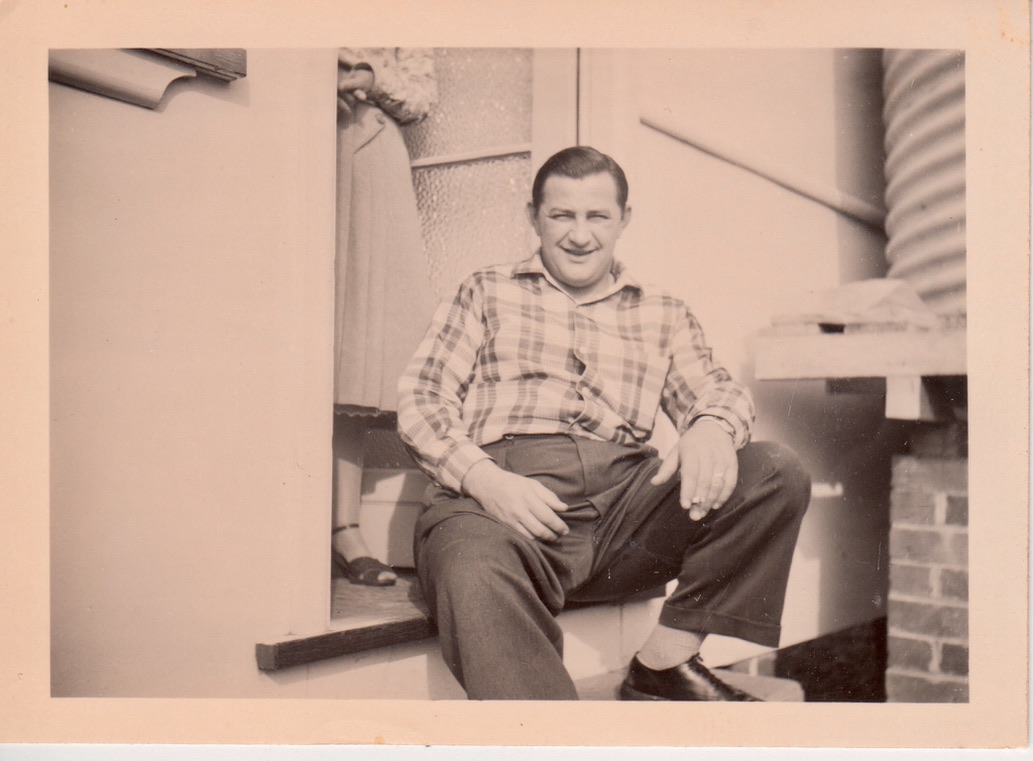
My Husband
My husband’s father was from the same generation as mine. As a young man, he enlisted in World War II, only to be captured and sent to a prisoner-of-war camp. He returned broken, carrying a subconscious vow to avoid risk. His silence and avoidance shaped my husband’s emotional landscape.
When we married, both of us were out of touch with our emotions. My husband naturally stepped into the masculine role of provider, decision-maker, and leader. As we became involved in ministry, we reinforced a system that, on the outside, appeared perfect, but was crumbling beneath the surface. Eventually, I reached a breaking point and declared I was done with the relationship.
What happened next surprised me. My husband made a courageous decision to ask God to teach him how to love well, a fruit of the Spirit that had been painfully absent in our marriage. He began learning a new language, one of involvement and presence, even when it made him uncomfortable. Over time, my hardened heart softened in response to his willingness.
Today, I consider him a man among men. I am proud of him. He has shown me what it means to love God by demonstrating strong, tender love toward me. His vulnerability has taught me how to love in return.

My Son
Then there is my son. The brokenness in our marriage took its toll on him. We made mistakes, no doubt. The legalistic church system we were part of shaped our parenting, trying to mould him into a narrow framework where outward appearances mattered more than the heart. He internalized the message: What I do is more important than who I am. This led him to suppress his deeper emotions and reject the parts of himself that longed for connection and authenticity.
Our family lived under the weight of performance pressure, constantly falling short and feeling guilty for not measuring up. In an attempt to guide him, we sent him to an independent Baptist school, hoping for a strong foundation. But instead, it turned into a nightmare. The school became steeped in cult-like behaviour, and my son was bullied by both teachers and students. He was forced into activities that only deepened his wounds.
This disillusionment left him angry, especially at the church. It became a place of pain, not refuge, and he vowed never to walk through its doors again. His anger became a shield, a way of containing the hurt, sadness, betrayal, and unmet longings inside him. It scared me. The intensity of his anger led him into bouts of depression.
To his credit, he tried again. He attended a growing church in Sydney, hoping for something different. Yet, he found yet another system that didn’t honour who he was. Now angry at God and disillusioned with Christians, he is on a journey to find himself. Beneath his pain, I see a tender, soft side, a side that struggles to feel safe in a world that often feels unfair.
Despite everything, he has created something remarkable: a program for men, which he has presented in high schools and camps, with outstanding results. His journey gives me hope.
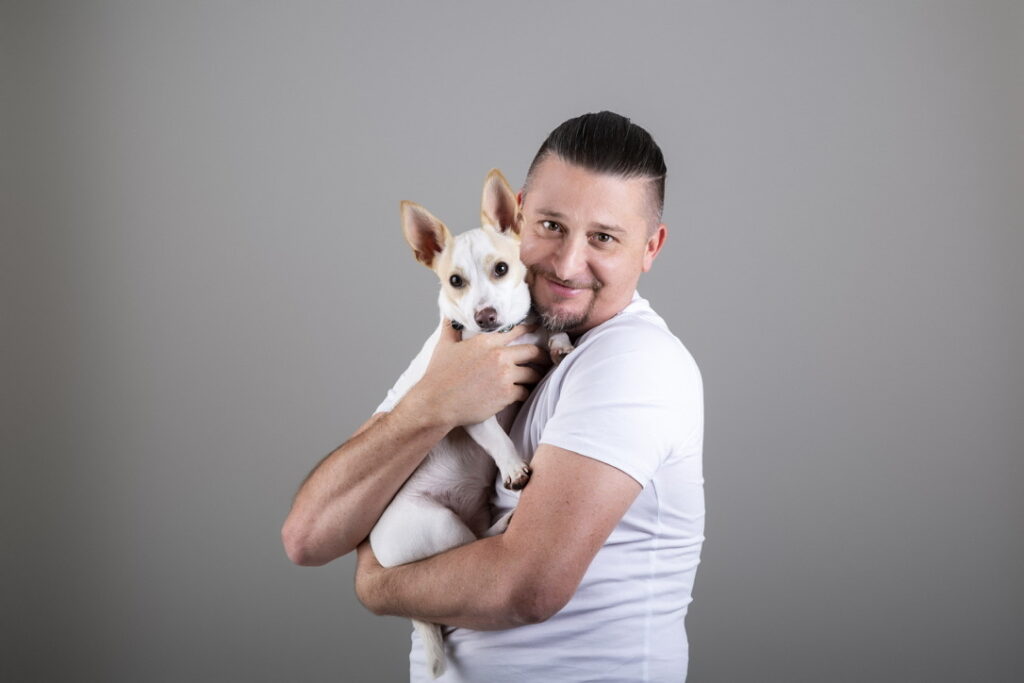
Generational Transmission
The generational transfer of emotional disconnection has profound effects on both men and the women in their lives. While men are fully capable of experiencing emotions, societal and familial pressures often force them to suppress or disconnect from their feelings. This repression dulls their sensitivity, making them less attuned not only to their own emotions but also to the emotions of others.
Over time, this disconnection manifests as a tendency to avoid close, committed relationships, overvalue rationality, and dismiss emotions as irrelevant or inconvenient. For many men, self-worth becomes tied to external markers, work, money, status, and power, rather than to their internal emotional well-being. This mindset can create challenges in their relationships and sex lives, often leading to a lack of intimacy and connection.
It is often only through crisis or personal upheaval that men are forced to confront their inner worlds. Though disorienting, this confrontation is necessary for relational intimacy to develop.
The remainder of this article will explore some sociological insights into men, setting the stage for the next article, which will explore the concept of Biblical manhood.
Disillusioned Expectations
Our wedding night unfolded in a way neither of us had anticipated. By the time we began the late-night drive to our hotel, the emotional weight of the day had taken its toll on me. The lead-up to the wedding had been riddled with stress, triggering deep, unresolved emotional wounds. My body ached, not just from exhaustion, but from something much deeper.
In truth, our wedding had felt less like a celebration of our union and more like a stage for my mother’s unfulfilled dreams. The entire event seemed like a projection of her imagined perfect day, with Barry and me cast as actors in her carefully scripted fantasy.
Fifteen minutes into the drive, the tears came. Unbidden, they streamed down my face and continued through the night and into the following day. It was nothing like the evening Barry had envisioned. I caught a fleeting expression cross his face, a micro-look of confusion and helplessness, like a deer caught in the headlights. My amygdala locked onto it, registering his discomfort before his rational mind could smooth it over with something more socially acceptable.
As Schore (2003, p. 263) explains, micro-expressions offer a glimpse into the raw, unfiltered emotional reactions our brains process before reason steps in. That moment revealed how unprepared we both were to navigate the emotional terrain marriage would demand of us.
“Although facial emotions can be appraised by the right brain within 30 milliseconds, spontaneously expressed within fractions of a second, and continue to amplify within half a minute, it can take hours, or days, or even weeks or longer for certain personalities experiencing extremely intense negative emotion to get back to a ‘normal’ state again.”
I saw the fear in his eyes, and it carried my hurt into the foundation of our life together. My own sense of danger and abandonment sent out new, negative signals that he frantically tried to interpret. He was unprepared for the weight of my pain, and I had no words to articulate what I so desperately needed.
Much later, I would begin to understand the enormity of my fear and longing. Just as babies instinctively reach for someone safe when distressed, adults do the same. We crave connection, searching for someone predictable and dependable who can attune to our emotional cues and offer safety. This is the heart of bonding. Yet, in that moment, and for many moments after, I needed Barry to help me unpack the depth of my pain, to meet me not just in that night’s tears but in the silent places that would shape our marriage.
Minuchin (1993, p. 286) insightfully reminds us, “…to be more fully connected is to be more fully oneself.” I longed for my husband to be courageous enough to step into my emotional world, to risk confronting what lay beneath my tears. I needed him to find the strength to sit with my hurt without retreating.
Of course, I wasn’t aware of any of this on our wedding night. All I felt was the sting of emotional abandonment. A familiar narrative washed over me: He’s not strong enough to handle me. I’m too much for him. No one has ever truly been there for me, and he won’t be either. I am on my own in this relationship. The old, ingrained message replayed in my mind, reinforcing the lie that intimacy and safety were out of reach.
That night, without realizing it, we lifted the proverbial rug of our marriage and swept our pain underneath it. Hidden and unresolved, it stayed there for years, until the rug became so lumpy we could no longer walk across the room without stumbling.
How many other couples quietly live with unspoken wounds and unmet expectations? How many relationships begin with hidden pain that grows until it demands to be faced?
What Does It Mean to Be a Man?
When you think about what it means to be a man, what comes to mind? If you were to take a sheet of paper and write MALENESS at the top, what would you list underneath to capture the essence of what it means to be a man? It’s a question that asks us to consider the complexities of male identity, which extend far beyond the surface. The following facts about men may surprise you:
- Suicide Rates: In 2023, males accounted for 75% of deaths by suicide in Australia, with 2,419 male deaths, reflecting a suicide rate of 18.6 per 100,000 people (ABS, 2023).
- Suicide Methods: Hanging is the most common method of suicide among males in Australia (Martínez-Rives et al., 2021).
- Risk Factors for Suicide: Depression is a significant risk factor for serious suicidal behavior (Martínez-Rives et al., 2021).
- Impact of Marital Status on Suicide: Divorced and separated men are at a higher risk of suicide compared to married men (Martínez-Rives et al., 2021).
- Unemployment and Suicide: Unemployed men are more likely to die by suicide than employed men, with economic recessions contributing to increased rates (Martínez-Rives et al., 2021).
- Male Victims of Partner Violence: Approximately one in 16 men have experienced physical or sexual violence from a current or previous cohabiting partner since the age of 15 (Martínez-Rives et al., 2021).
- Sexual Violence Against Men: One in 20 men (4.7% or 428,800) have experienced sexual violence since the age of 15, with 4.3% (384,000) experiencing sexual assault and 0.8% (73,500) experiencing sexual threats (Martínez-Rives et al., 2021).
- Substance Abuse: Men are nearly three times more likely than women to abuse alcohol and twice as likely to abuse recreational drugs like marijuana and cocaine (Better Health Channel, 2021).
- Stress Response and Risk-Taking: Men are more likely to respond to stress with risk-taking behaviors, including alcohol misuse (Better Health Channel, 2021).
- Accidents and Risky Occupations: Men are more likely to have major accidents and hold riskier jobs (Better Health Channel, 2021).
- Social Connectivity: Men are often less socially connected than women (Better Health Channel, 2021).
- Healthcare Avoidance: Men are more likely to avoid doctors to avoid time off work (Better Health Channel, 2021).
- Homicide Rates: Men are four times more likely than women to be murdered and ten times more likely to commit murder. Both female and male offenders are more likely to target male victims (Martínez-Rives et al., 2021).
- Life Expectancy and Chronic Illness: Men are likely to die 7 to 10 years earlier than women, spending 15 of those years with chronic illness (Better Health Channel, 2021).
- Coronary Heart Disease: Men are more likely to suffer from coronary heart disease (Better Health Channel, 2021).
- Attitudes Toward Therapy: Men are less likely to view talking therapies positively (Better Health Channel, 2021).
- Economic Impact of Mental Health: Men with mental health problems can earn 42% less (Martínez-Rives et al., 2021).
- Incarceration Rates: As of June 30, 2024, there were 44,403 adult prisoners in Australia, with the majority being male (ABS, 2024).
Apparently, it’s also dangerous to be a man.
How Do Men Struggle?
When it comes to seeking help, many men struggle to articulate what they’re really going through. Responses to counselling are often vague or unfocused, with men seeking help for what may seem like external problems. Common reasons men seek counselling include:
- “I just lost my job.”
- “I’m afraid my wife is going to leave me.”
- “I’m afraid my wife might find out I’ve been seeing someone.”
- “My job just doesn’t do it for me anymore.”
- “Why is she doing this to me?”
- “I just want things to be as they were.”
- “My wife or partner wants me to change.”
- “I want my wife to stop nagging.”
- “I am not getting enough sex.”
- “There is a lack of affection in my relationship.”
- “I feel put down by my wife or partner.”
- “My wife is to blame for my unhappiness.”
- “My wife threatens to call the police about domestic violence.”
- “There are problems with the kids.”
- “I am experiencing mid-life issues.”
- “All I ever do is work, work, work. No one ever appreciates what I do.”
- “I’ve had enough. I just want to get on a train and keep going.”

Photo by Matheus Ferrero on Unsplash
While men often struggle to express their reasons for seeking help, their underlying emotions, loneliness, fear, and feelings of inadequacy, are often at the root of these struggles.
The idea of “secret men’s business” suggests there’s a world of male experiences that may be difficult for others to understand. Socially constructed masculinity, with its emphasis on stoicism and self-reliance, often makes it harder for men to ask for help or stay engaged in therapy. As women gain more opportunities to express themselves, many men feel confused about their role in the world. The pressure to meet societal expectations of manhood can leave them uncertain and struggling to meet the demands of being a partner, father, or simply a man in today’s world.
Socially Constructed Masculinity
Social expectations about masculinity often work against men, especially when it comes to seeking help or embracing vulnerability. Men are conditioned to be self-reliant, invincible, and emotionally restrained, which makes it difficult for them to confront their fears or let go of control. Vulnerability is often seen as weakness, so many men retreat into isolation rather than face their pain or conflict.
Additionally, many men are taught to sexualize intimacy, which can cause them to overlook deeper emotional needs in relationships. This has profound implications for marriage and the support structures that could help men heal.
A Task Orientation
Men are typically socialized to be independent and self-sufficient, traits that serve them well in the corporate world but often come at a heavy cost. That cost is isolation: first from themselves (losing touch with what’s happening inside), then from their relationships (gaps with their father, wife, and children), and finally from their broader community (family, workplace, and social circles). And isolation inevitably leads to aloneness, often accompanied by a nagging sense of failure in the very areas that matter most to a man.
Beyond that, men are conditioned to be rational and logical, trained to seek explanations, analyze problems, and fix things. But this task-oriented mindset often shuts them off emotionally. Instead of expressing what they feel, they rationalize, joke, tell a story, or simply insist they’re fine, when they’re anything but. This kind of emotional distancing can feel deeply threatening to women, reinforcing his tendency to prioritize work and external tasks over relationships.
Perhaps this, too, is part of the fallout from the Fall itself, when God’s judgment on Adam in Genesis 3:17–18 was:
“Because you listened to your wife and ate from the tree about which I commanded you, ‘You must not eat of it,’ cursed is the ground because of you; through painful toil you will eat of it all the days of your life. It will produce thorns and thistles for you, and you will eat the plants of the field.”
Despite cultural expectations that men avoid emotions, certain feelings are still socially sanctioned. The unspoken rule is clear: anger is acceptable; tears are not. Anger grants social credibility; it fits the mould of masculinity. But sadness? Vulnerability? Those are off-limits. As a result, men often rely on women to carry the emotional weight of the family. They forfeit their own feelings and expect women to process emotions on their behalf. Any sign of distress must be resolved quickly, tucked away, and moved past.
This leaves men with few safe outlets. Sport and sex become the primary arenas where they can express emotion. From childhood, boys are conditioned to struggle for dominance, whether on the playground or the playing field. As adults, aggression and competition remain socially acceptable in sport, while in the intellectual realm, men are permitted to retreat into academia or climb the corporate ladder.
When it comes to loss, men are allowed to grieve, but only in a controlled way. It’s okay to be sad, but not to break down. And yet, loss is one of the deepest fears many men carry. Solitude can be a treacherous path; many would rather face their greatest adversary in battle than confront their inner demons in the quiet of the night. Often, men don’t even know what they’re grieving. It may be the weight of an old, unprocessed loss, something long buried but never truly healed. And so, grief is suppressed, numbed with addictions like alcohol or pornography, coping mechanisms that only deepen the cycle of shame and sorrow.
Disconnected from Emotions
During my time as a contract trauma counsellor for the NSW state rail system, I encountered male trauma and grief on a regular basis. Attending counselling after a critical incident was mandatory for rail workers, yet this requirement placed them in a difficult position. Their job required them to show up for counselling; the culture they operated in told them something very different. The unspoken rule was clear: real men don’t show emotion. The social script demanded that they be fearless, resourceful, and stoic, facing adversity alone.
The most common scenario played out like clockwork. A rail worker, usually a train driver or guard, would sit across from me, assure me he was fine, and insist that the event hadn’t affected him. This, despite the fact that the “event” in question was often horrific, like a young person ending their life by throwing themselves in front of his train. In such cases, the train guard would have to walk to the front of the now-motionless train and take in the full devastation.
I would offer a list of common physical, emotional, mental, and behavioural responses to trauma, but he would brush it off: “I’ll be fine.” I’d hand him my business card, anyway, letting him know he could call if anything came up later. And predictably, two weeks down the track, the phone would ring: “Since the accident, I’ve been having nightmares about my father’s death. He died when I was thirteen, and I didn’t think much of it at the time.”
That’s the thing about unprocessed trauma and grief; they don’t just disappear. They get stored away, buried deep, only to resurface later in unexpected ways. Old wounds, when left unhealed, don’t simply stay in the past. They compound, layering over new losses and manifesting in ways that are both physical and psychological.
Steve Biddulph (2019, p. 37) highlights how unresolved wounds make men vulnerable to manipulation. He observes how terrorism experts have identified a series of events that contribute to a young man’s involvement in extremist activities: the father’s departure when he was young, the breakup of a tumultuous relationship with his girlfriend, and his subsequent social isolation leading to the loss of his job. These circumstances create an environment ripe for recruitment by male networks that offer belonging and care.
Biddulph even draws a parallel between terrorism and the random killings of women by men who spiral into violence in response to life’s ordinary anxieties. The truth is, men do have emotions, but many find them confusing, so they suppress or disguise them. Over time, this emotional disconnection makes them less sensitive, not only to themselves but also to those around them. The result? Relational conflict, pain, and, for some, a retreat from close, committed relationships altogether. It becomes easier to overvalue logic, dismiss the emotional weight of conversations, or, in some cases, resort to violence.
The cost of emotional disconnection is high, not just for men, but for everyone around them.

Photo by Mathis Mauprivez on Unsplash
Men, Women and Vulnerability
Men often view womanhood as restrictive, and this has real implications for the women who love them. One of the challenges a man faces is the lack of options when responding to a woman’s verbal expression. I’ve seen this firsthand; my daughter can practically annihilate her brother with words. It takes a special kind of vulnerability from a woman to draw out a man’s tenderness, to offer warmth, nurture, and a safe place to land. Women need to be able to hold a man’s pain, to let him know that his feelings matter and that they are bearable. True compassion doesn’t try to fix or change him; it simply offers presence.
Like all women, I have to ask myself regularly: Am I free from gender bias? How do I really feel about men? A woman who genuinely likes men, not just in their strength but also in their pain and loneliness, is a woman who can be part of his healing.
But what is required of men? They must stay in the conversation, even when they feel inadequate, and allow themselves to be scared there. Adult men are called to generate life, not to destroy themselves or others. Many wives become emotional detectives, trying to do the inner work for their husbands, perhaps because men have been conditioned to fit into a version of masculinity that is far too narrow. Yet change is happening. Interestingly, Hollywood is at the forefront, portraying strong men who cry. The old message, “Big boys don’t cry,” is slowly shifting to “Real men do.”
Grieving the past allows men to separate old wounds from present struggles. This is the doorway to both strength and tenderness, the very essence of the wounded healer, Jesus, the man of sorrows. Most men carry a deep father wound, a profound loss they may not even recognise. The old adage still holds: Men need to mourn before they can be reborn. But they also need to feel a sense of choice, whether to express their emotions or to hold them. It’s often an internal battle: I am here, and I love you… I want to let you in… but I’m terrified you’ll reject me (Brown, 2015).
Moving from a culturally constructed masculinity to a healthier, biblically grounded one isn’t easy. It may require therapy, honesty, and accountability. But the journey is worth it, because on the other side is a man who is both strong and tender, fully alive to himself and to those he loves. The journey from a culturally constructed masculinity to a biblically healthy one involves letting go of old survival strategies. Here’s how the shift might look in practice (see the table below: Constructed versus Healthy Masculinity).
| CONSTRUCTED MASCULINITY | HEALTHY MASCULINITY |
|---|---|
| Self-reliance | Seeking help |
| Hide fear | Facing fear |
| Demanding control | Relinquishing control and the need for more information |
| Private is secret | Disclosing the private |
| Sexualising intimacy | Intimacy without sensuality |
| Invincibility | Vulnerability |
| Omniscience | Admission of ignorance |
| Indomitable | Showing perceived weakness and shame |
| Going to shed/cave | Addressing conflict |
| Self-possession | Confronting pain |
| “I’ll just try harder” or marry again | Acknowledging failure |
| Hide and block grief and tears | Unblocking and experiencing grief and tears |
Image Management
After delivering a relational workshop with my husband, I’m often asked for counselling. It usually takes the form of a quiet walk amid lush gardens, where the other person talks while we pause now and then for emphasis. Sometimes, we settle onto a bench, pretending to watch the cheeky monkeys play, while a story slowly unfolds, one that longs for a response.
Today is day three of a retreat for East African church leaders and their wives. They are warm and encouraging. Our conversational style of talking together in front of people revealing intimate details of our relationship breaks down many barriers and gives permission for vulnerability. It also engenders hope. When the workshop commences, we immediately notice a certain culture that permeates the religious hierarchy. These men are the top dogs on the social scale. When they enter a restaurant, resplendent in their identifiable garments, they are ushered to the best table. Assistants bow to them, and everyone is awed by their presence. Wherever they go they are feted and worshipped. A denominational leader is called “His Grace”while those in his inner circle are addressed as “Lord”.It is very seductive.
Sadly, there is a work ethic that would break the back of the strongest camel. Busyness is prized as a Godly virtue to the detriment of all intimate and close relationships. The choice to avoid closeness is quelled by the need for status. Even amongst themselves, it is unsafe for men to express fears, disappointments, and pain. It is a religious culture based on externals; how they look is paramount, and it tends to produce a shallow, vacuous inner life.
Day three is the hardest, longest day and we are relieved when it is over. Nevertheless, it is a rich day. In the morning, we separate the men and women in order for the women to be able to speak freely. And speak they do! The pain of being the second wife is expressed (they tell me the first wife or mistress is ministry). They protest about how their husbands are addicted to work and busyness, returning home exhausted with nothing left to give to their wives and children.
Wives are buckling under the burden of raising children alone and in addition to the cultural requirement to give hospitality even when there is insufficient food for the family. One lady tells how when child was hospitalised in a critical state after suffering convulsions from cerebral malaria, her husband told her he hoped she would handle it and left to go on a mission trip! Generally, the women suffer in silence but today they find their voice.
Simultaneously, in my husband’s group, he asks the men to model an animal from play dough that represents themselves when there is conflict in the marriage relationship. He challenges the men to ask whether busyness emanates from a place of love, guilt, or seeking significance in the outside world. To their surprise, the men discover that they are quite lonely and that their busyness keeps closeness at bay. This is huge awareness.
When we return to the large group, we ask the women to tell the men what they learned and vice versa. The women tentatively share but look to me to take up the challenge and speak for them. They are afraid of payback or a negative response. I share in the larger group how the women feel as second wives when the first wife (ministry) is their husbands’ priority. I share how every woman wants to be her husband’s princess, the number one priority in his life. I share how the women standing behind me are sorrowful and hurting because they love and want their man. It hits home.
Their leader is the first to speak, conveying how this new realisation strikes him hard and deep. He shares how he was raised in a polygamous family, how it was so painful he had vowed to take only one wife but now realises that he has married another; his work and the status it affords him. He admonishes the men to address this together. We silently praise God in our depths. Then the time comes for the men to share their learning. They humbly apologise to their wives for not only being too busy for connection, but for being cultural husbands, rather than Godly ones. A quiet joy bubbles up within us.
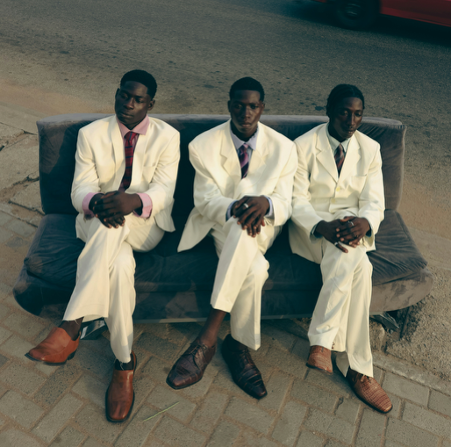
Photo by Unavailable Photographer on Unsplash
Closing Thoughts
As we peel back the layers of men’s design, we begin to glimpse the intricate artistry of God’s hand at work. Strength and vulnerability, courage and tenderness, leadership and longing, these are not contradictions, but reflections of a profound and complex creation. Men were never meant to fit into a narrow mould, but to live fully within the rich, multidimensional image of God.
Understanding the complexity is only the beginning. It invites us to look deeper, to ask not only how men are made, but why they are made, and for whom. God’s design is never random. It is always intentional, woven with purpose and meaning from the beginning.
As we move forward, we will turn our gaze toward the larger story: how the design of men fits into the unfolding narrative of God’s redemption and glory. May we hold both the mystery and the beauty of that design with reverence, and with hope.
Declarations for Men
I declare that I will no longer conform to cultural masculinity but will walk as a godly man.
I declare that I am a son of the King of Kings. I surrender my anger, pride, and selfishness, anything that is not of You, God.
I declare that with the Holy Spirit’s help, I will love my wife and family as Christ loved the church, laying down my life for them.
I declare that I will fight for purity, guarding my heart and eyes from anything that is not of You.
I declare that I will seek godly male friendships to sharpen my perspective, as iron sharpens iron (Proverbs 27:17).
By Your grace, Lord, I choose to walk in truth, strength, and love. Amen.
Prayer
Lord, we pray that You will be with us as men, strengthening, encouraging, and inspiring us. Show us the potential You have placed within us to grow into the men You have called us to be as we surrender our path to Your perfect plan.
Remind us of the gifts You have given us and teach us not only to walk in humility but to find our true identity in You. May we be men after Your own heart, led by Your Spirit, and transformed by Your love. In Jesus’ name, Amen.
Reflection Questions
- Where have I seen the complexity of men’s design reflected in my own life, family, or community?
- How have cultural or personal expectations shaped the way I view men?
- In what ways does understanding the layered design of men deepen my view of God’s creativity?
- What assumptions about masculinity might God be inviting me to rethink?
- How might honouring the full complexity of men’s design transform the way I relate to them, and to God?
About the Author
Dr Paula Davis is a retired clinical counsellor, supervisor, and educator specialising in psychological trauma. She has taught and supervised counselling students in university higher degree programs, both in Australia and overseas. Together with her husband, she co-authored A Safe Place: A Marriage Enrichment Resource Manual (2021) and they still deliver marriage programs internationally. Paula’s books and her work is marked by cultural sensitivity, relational depth, and a compassionate commitment to healing. While she finds deep fulfilment in making a positive impact, she also treasures life’s simple joys, sharing a coffee with her husband, swimming in the surf just across from her home, or exploring the outdoors. She is drawn to adventure and new experiences, from skydiving and ziplining across the Victoria Falls gorge to cage-diving with great white sharks in South Africa and walking with African lions.