“I waited patiently for the LORD;
he turned to me and heard my cry.
He lifted me out of the slimy pit,
out of the mud and mire;
he set my feet on a rock
and gave me a firm place to stand.”
—Psalm 40:1–2
What My Body Remembered
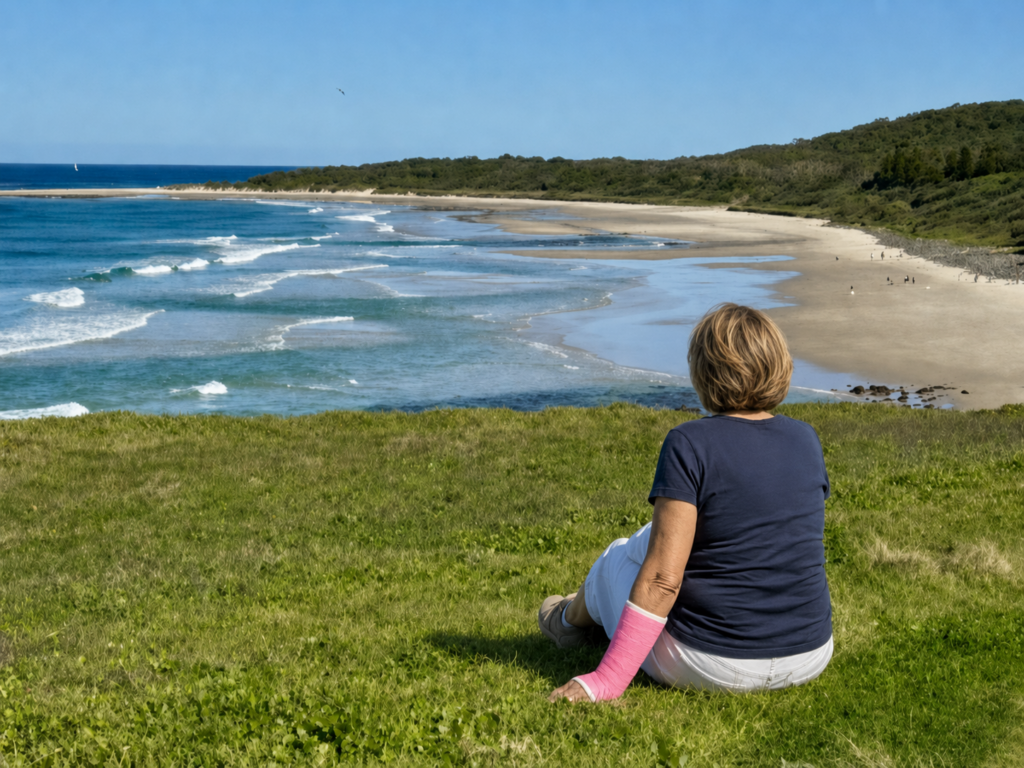
My broken wrist, the K-wires holding it together, my broken toe and concussion all produced genuine physical pain. Yet pain is never processed by the body alone. The brain interprets what is happening through our history, emotions, relationships and sense of safety.
The accident awakened something older in me. Being unable to prevent what happened, losing my independence, needing others and not knowing how long recovery would take stirred earlier feelings of helplessness. My nervous system did not distinguish neatly between My wrist hurts now and I have been hurt before. It responded to both with alarm, muscle tension, anxiety, tears and disrupted sleep.
The body remembers patterns, not only events. Hospital rooms, nighttime awakenings, the restriction of the cast and my dependence upon others evoked emotional states associated with earlier pain, even before I consciously understood the connection. Stress, fear and poor sleep amplified the physical pain, while the concussion left me with less capacity to manage my emotions. Brain fog, fatigue, memory difficulties and anxiety made the emotional filter upon which I usually relied much thinner.
Beneath everything lay a deeper question: Must I keep carrying pain, and must I carry it alone? After spending so much of the last twenty years holding the suffering of others, my injured body seemed to be expressing a profound need to be protected, comforted and carried.
And as I continue to recover, I find myself asking: What did the physical pain make me feel beyond the pain itself? Helpless. Trapped. Frightened. Burdensome. Ashamed. Exhausted. Naming these feelings allows me to respond to both layers of my experience: to seek appropriate care for my physical injuries while offering safety, companionship and compassion to the emotional wound beneath them.
When Physical Pain Awakened an Older Grief
Compassion for my emotional wounds has meant becoming curious about the connection between my present fear of not feeling physically safe and my earlier experiences of not feeling emotionally safe. The earliest memory that surfaced was from when I was five years old. I had become trapped in a neighbour’s dark backyard shed and returned home with a bleeding wound on my head.
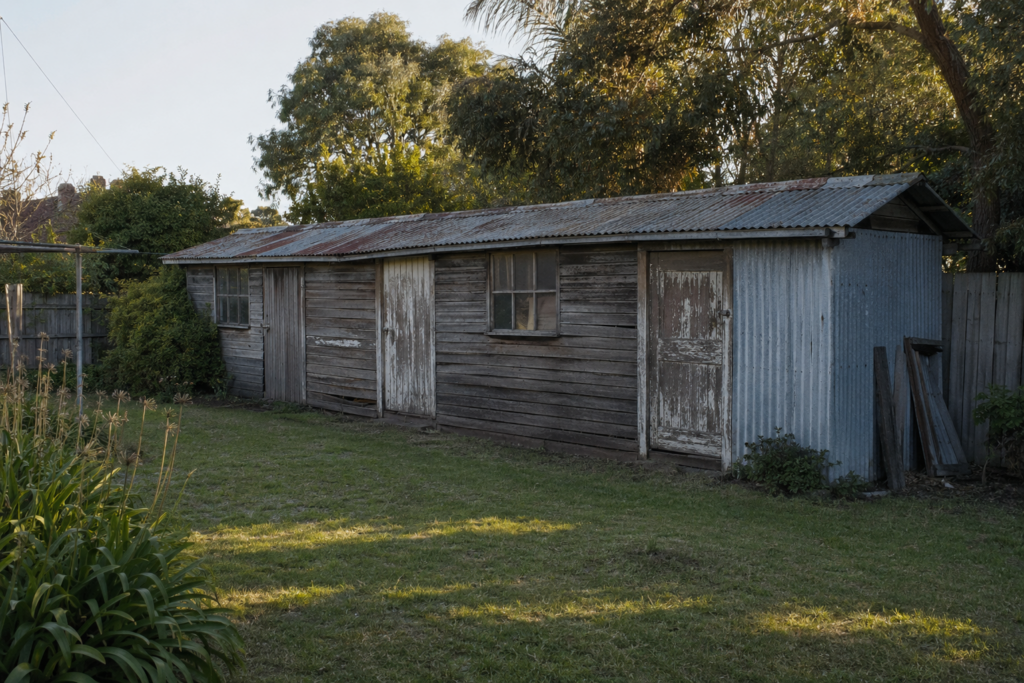
Yet it was not only what happened in the shed that left its mark. It was what did not happen when I came home. My mother did not hold me, console me or respond to my distress. I had escaped from the shed, but the frightened child within me remained alone with her fear. Somewhere in that moment, I made a promise to myself: I will not be emotionally needy.
Need became associated with shame. I began to despise the vulnerable part of me that longed for comfort and depended upon others. Whenever that need arose, my survival strategy was to run and hide, not only physically, but emotionally. It felt safer to disappear than to risk reaching for someone who might not respond.
Years later, after the birth of my daughter, the emotional weight of postpartum depression became too great for me to carry alone. I reached out, but instead of receiving compassion, I experienced rejection and shunning. The earlier wound opened again, and another inner vow formed: I will never need anyone again, because needing hurts too much. Those vows helped me survive, but they also taught me to distrust my vulnerability. Survival meant coping alone, need felt like to much vulnerability, and dependence carried the threat of humiliation and abandonment.
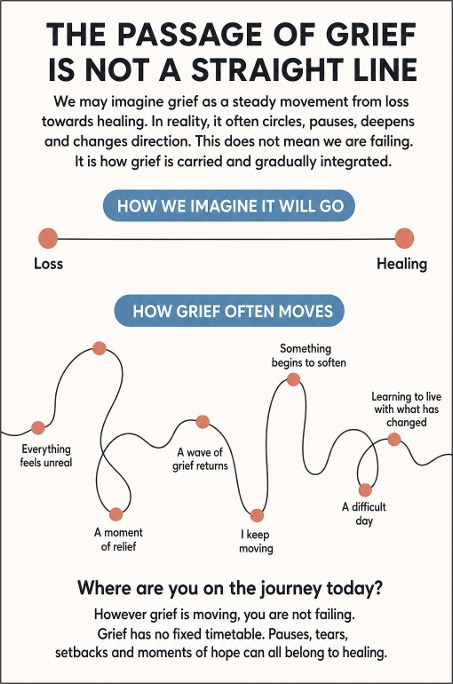
Although much of this wound has been healed through corrective emotional experiences with my dear husband, Barry, the accident awakened something deeper than fear. It awakened grief. Grief is often spoken of as sadness, but significant loss is a whole-body experience. It can affect our thoughts, emotions, relationships, physical health, energy, memory, concentration and even our sense of identity. Nor is grief limited to the death of someone we love. We can grieve the loss of health, independence, safety, community, trust, moral certainty or the future we once imagined.
My accident carried many of these losses. For a time, I lost physical safety, mobility, independence and confidence in my own body. I could not make myself strong or self-sufficient. I needed practical assistance, physical reassurance, nurturing companionship and emotional comfort.
Perhaps the exhaustion that followed was not only my body recovering from injury. My mind and nervous system were trying to adapt to a world that had suddenly changed. At the same time, the little girl who had learned not to need anyone was being brought face-to-face with the very thing she had spent a lifetime avoiding: neediness and dependence.
This Time, People Came
Yet this time, the story did not end as it had before. During the accident and its aftermath, kindness came towards me. Strangers noticed my vulnerability and responded with compassion. They helped with flights, transport, medical care, translation, a sling, ferry crossings and the countless small tasks I could no longer manage alone. Their care communicated something my frightened nervous system desperately needed to learn: Your need does not make you a burden. You are worthy of care.
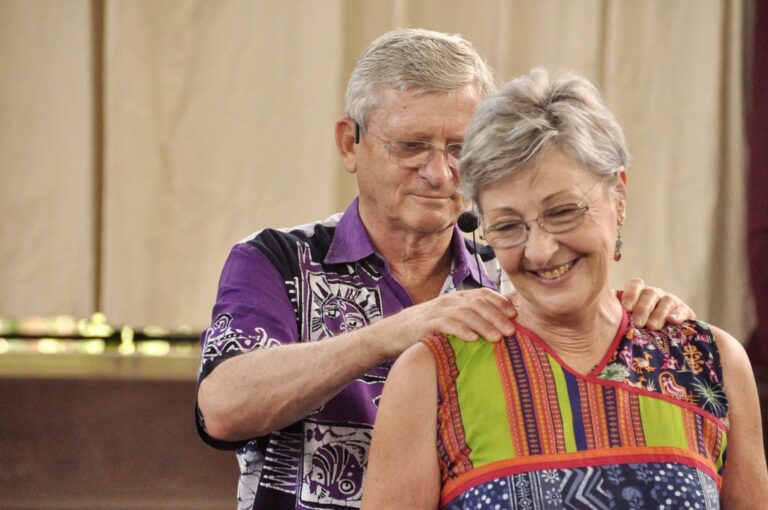
And Barry was there. He held my hand, listened to my fear and stayed with me through the nights. He reminded my body that I was no longer alone. His presence did not erase the pain, but it changed how I experienced it. Dependence was no longer accompanied by rejection, vulnerability was met with tenderness, and need was answered with love.
These were more than kind gestures. They became positive emotional experiences, new, embodied memories laid gently beside the old ones. The five-year-old who had returned home bleeding and uncomforted was no longer the only story my body carried. There was now another story: an injured woman who was seen, helped, protected and loved.
Perhaps this is why the accident released so much grief. Safety sometimes allows us to feel what could not be felt while we were merely surviving. My tears may not have belonged only to the present. They may also have carried the pain of the frightened child, the overwhelmed young mother and every version of me who believed she had to cope alone.
Grief is exhausting because it asks the whole person to adjust to a changed reality. It requires energy to acknowledge what has been lost, receive what is being offered and form a new understanding of ourselves. Rest, therefore, is not separate from healing, but part of healing. It is the place where I stop trying to hide and run from my needs and allow myself to be held.
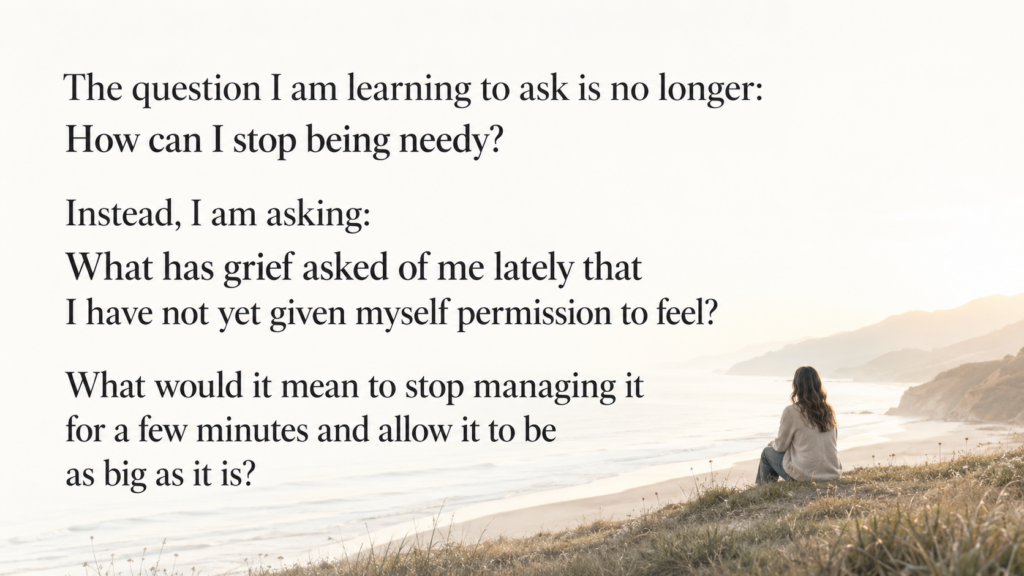
The question I am learning to ask is no longer: How can I stop being needy? Instead, I am asking: What has grief asked of me lately that I have not yet given myself permission to feel? What would it mean to stop managing it for a few minutes and allow it to be as big as it is? Perhaps for me healing means allowing grief to have its rightful size while discovering that I no longer have to hold it alone.
My vulnerability does not make me shameful, my need does not make me unlovable, and receiving comfort does not mean I will always be rejected. This time, when pain left me vulnerable, love came near.
You Always Know Where to Find Me
The words of Psalm 40 have begun to hold new meaning for me:
“I waited patiently for the LORD;
he turned to me and heard my cry.
He lifted me out of the slimy pit,
out of the mud and mire;
he set my feet on a rock
and gave me a firm place to stand.”
—Psalm 40:1–2
The psalm does not describe someone who escaped the pit through determination or self-sufficiency. God turned towards him, heard his cry, lifted him, and gave him somewhere firm to stand.
I find myself lingering over those words: He turned to me. The frightened child within me had learned that crying did not bring comfort. The overwhelmed young mother had learned that reaching out could result in rejection. But the psalm reveals a God who is not repelled by need. He turns towards the cry of the vulnerable. Perhaps part of my healing is learning that I do not have to climb out alone.
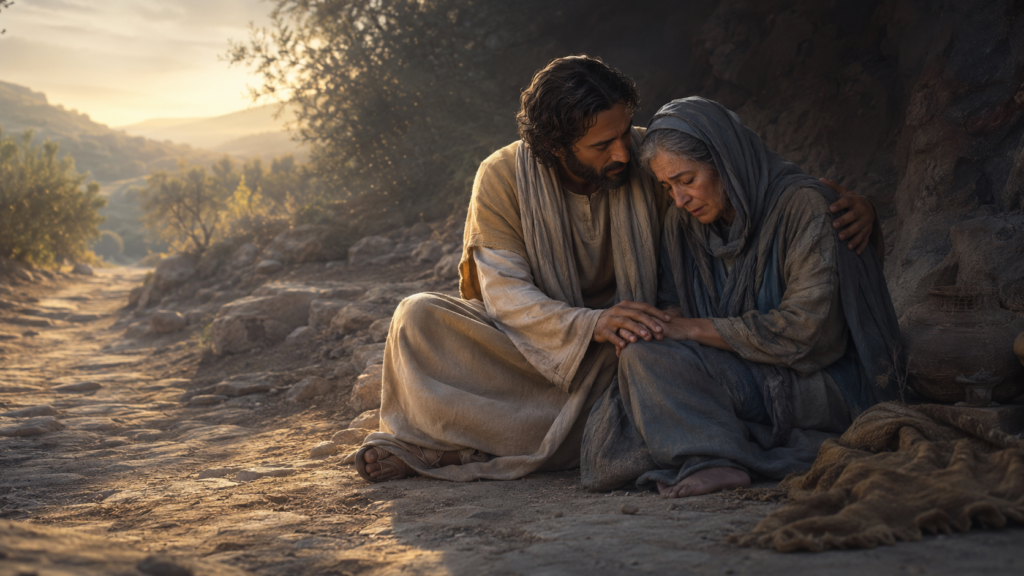
God’s presence did not always arrive dramatically during those difficult weeks. Often, it came through ordinary acts of human kindness. It came through the hands that lifted my bags, the voices that reassured me, the people who advocated for me when pain and concussion made it difficult to think clearly, and the therapist who made space for an emergency session and met me with such kindness and reassuring presence. Most intimately, it came through Barry’s hand holding mine.
“The Lord is close to the brokenhearted,” the psalmist tells us. Sometimes that closeness felt like someone sitting beside me and refusing to leave. God always knows where to find me, even in the hidden places of my heart where fear, shame and old vows still linger. And so, I pray:
Father, you always know where to find me. You know exactly the place in my heart that needs to see more of who you are. If there is a space in me that is not quite there, reveal it to me now. Lead, and I will follow.
Telling My Body What Time It Is
For a long time, my mind knew that the accident was over, but my body had not yet learned that truth. At night, my nervous system continued to react as though the crisis were still unfolding. So, I began gently reminding myself:
I am no longer five years old.
I am here, not in the dark shed.
The accident is over.
I am home.
Barry is beside me.
God is near.
I do not have to carry this alone.
These words became both grounding and prayer. They helped my body recognise the present while allowing the frightened child within me to be heard. I did not need to silence her. She had good reason to be afraid because she had once been injured and left without comfort. Later, she had reached for help and been rejected. She did not need another demand to be strong. She needed compassion. I could turn towards her and say:
“Of course you are frightened. You learned that needing comfort was dangerous. But you do not have to hide now. I see you. Those who love you are here. God has not turned away. You are no longer alone.”
“Come Out”
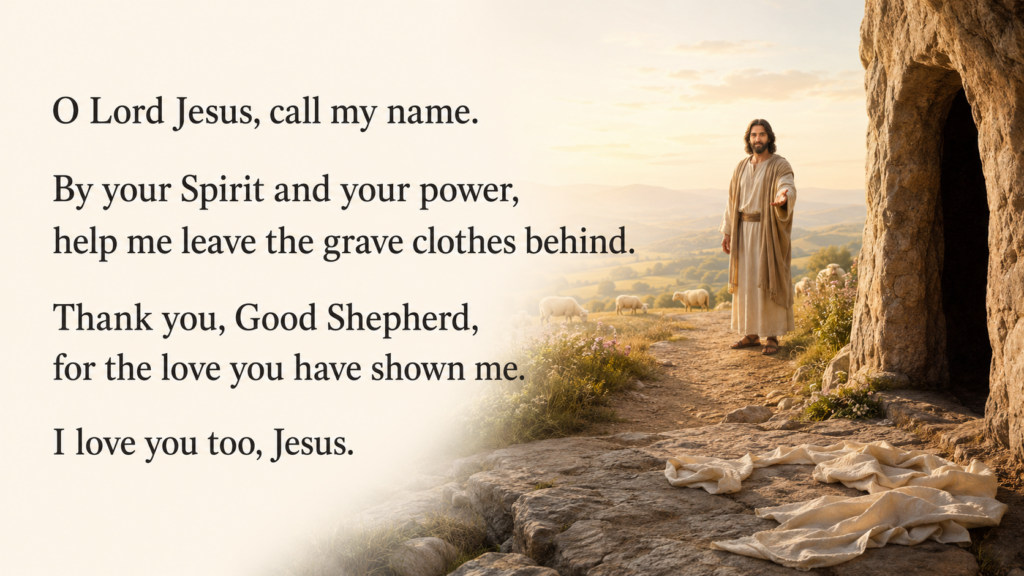
As I settled into my usual morning rhythm of Lectio 365, my thoughts also drift towards Lazarus. When Jesus arrived at the tomb, Lazarus was enclosed in a cave with a stone laid across its entrance. He was separated from life and from those who loved him. Jesus instructed those gathered there to remove the stone. Then he called in a loud voice: “Lazarus, come out!” Lazarus emerged alive, but he was still wrapped in strips of burial cloth. Jesus turned to the people around him and said: “Take off the grave clothes and let him go” (John 11:43–44).
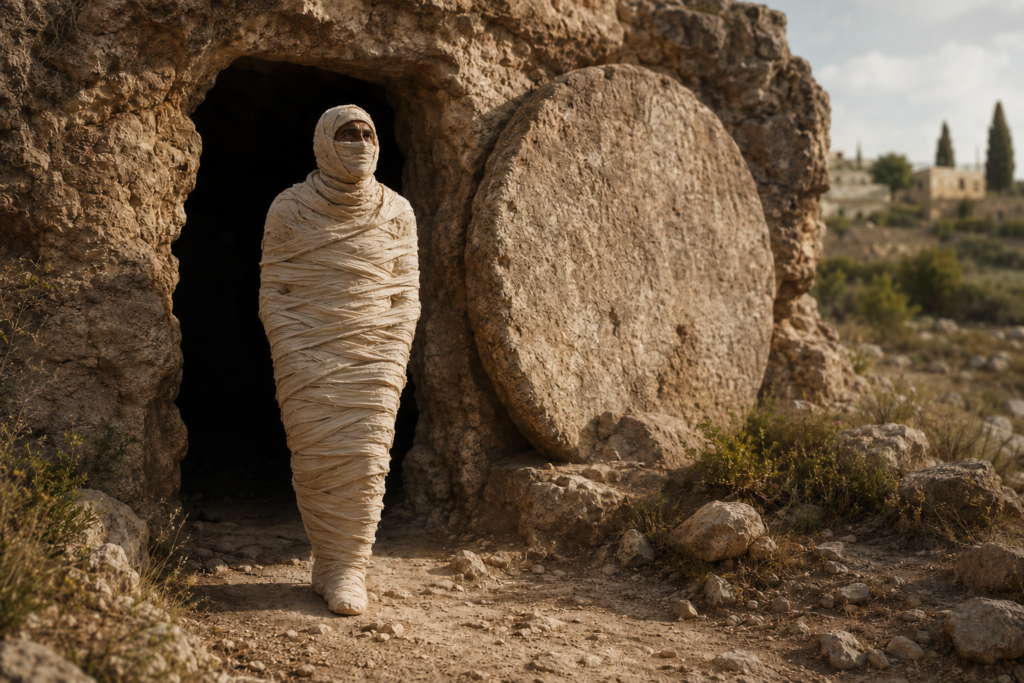
There is something deeply moving in this picture. Jesus called Lazarus by name and brought him from death into life. Yet he invited others to participate in the unbinding. My heart drifts to Paul’s words in Ephesians: we have been made alive with Christ. God does the resurrecting, but the unbinding is often a journey, one that requires grace for us, and grace from others.
Perhaps my old vows became something like grave clothes. They once protected wounded places, but over time they also restricted my movement and kept parts of me bound:
Do not need.
Do not reach.
Do not trust.
Do not let anyone see how frightened you are.
The accident exposed those bindings. I can no longer pretend that I do not need anyone. Yet within this profound vulnerability, I hear Christ’s invitation differently:
Come out.
Come out of hiding.
Come out of shame.
Come out of the belief that needing comfort makes you exposed or unworthy.
Come out of the darkness in which you have tried to manage everything alone.
Jesus calls me into life, but he does not ask me to complete the unbinding by myself. He places trustworthy people around me. Barry’s love, the kindness of strangers and the care of friends have all helped loosen what once held me.
Perhaps each safe response gently removes another strip of cloth. I can reveal that I am frightened, and I am not rejected. I can ask for help, and someone responds. I can allow myself to cry without needing to hide the tears, and others do not turn away. I can rest and discover that the world does not collapse because I have stopped carrying it.
Releasing the Vows
I now find myself bringing the vows of my childhood into the presence of Jesus: I will not be emotionally needy. I will never need anyone again. I do not judge the frightened parts of me that made them. Those vows were formed in pain. They were a child’s attempt to survive what felt unbearable. They were a young woman’s attempt to protect herself from the devastating pain of reaching out in vulnerability and being rejected once again.
But I no longer want them to govern my life.
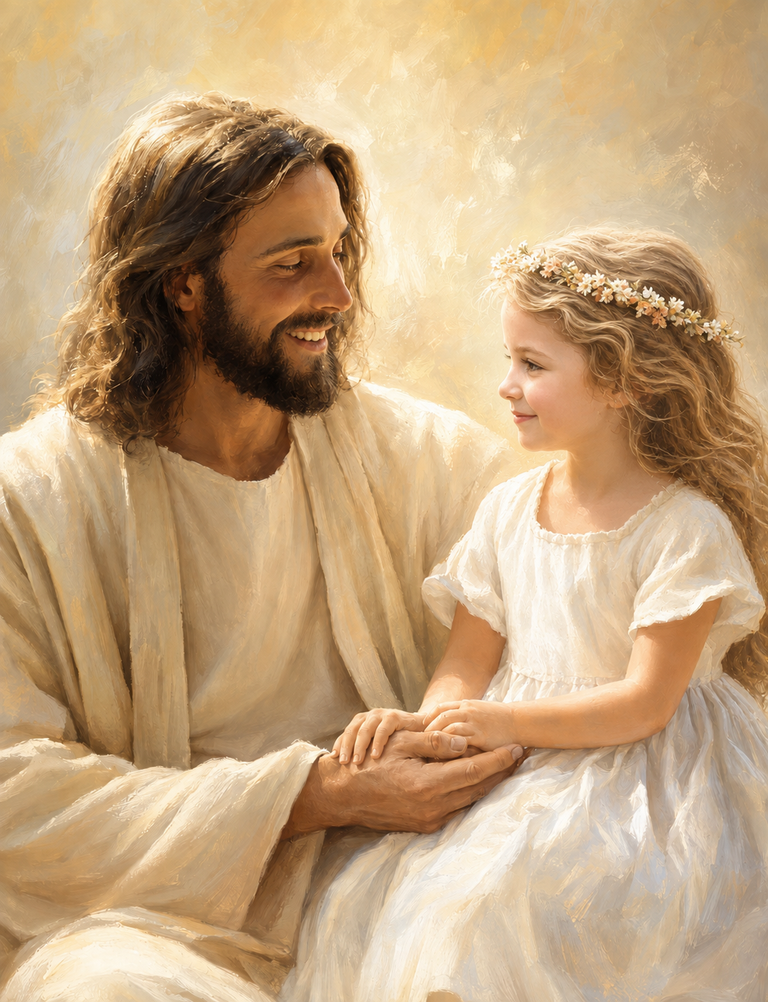
I imagine Jesus standing at the entrance of the dark place, calling my name, not with impatience or condemnation, but with love. He does not shame me for hiding but calls me towards freedom. And so, I pray:
O Lord Jesus, call my name. By your Spirit and your power, help me leave the grave clothes behind. Thank you, Good Shepherd, for the love you have shown me. I love you too, Jesus.
Releasing these vows does not mean becoming dependent upon everyone. Some people and relationships are not safe, and wisdom remains necessary. It means allowing myself to receive love within relationships where trust has been established. It means recognising that my need does not diminish my dignity, and it means allowing God to lift me from the mud and mire rather than insisting that I must climb out alone.
A Different Ending
Perhaps separating the past from the present is not about forgetting what happened. It is about allowing the old story to receive a different ending.
The past says: No one will come. The present says: Barry is here. Faith whispers, God has turned towards me and heard my cry.
The past says: My need is shameful. The present says: My need is human. Faith says: Jesus is calling me by name.
The past says: Run and hide. The present says: I may remain and be comforted. Faith says: Come out. The stone has been moved.
There are moments when the past still feels present. There are nights when my body remembers before my mind understands. But I am gradually learning to pause and ask:
How old do I feel right now?
What is my body expecting to happen?
What is different in this moment?
Where is God meeting me here?
What grave clothes is he inviting me to leave behind?
I am discovering that healing does not require me to abandon the frightened child I once was. Instead, I can bring her with me into the safety of the present and the compassionate presence of God. I can tell her:
It may feel like then, but it is now.
The door of the shed is open.
The stone has been rolled away.
Jesus is calling my name.
I no longer have to hide because Love has come near.
About the Author
Dr Paula Davis has spent the last three decades of her life sitting with people in some of their darkest moments, and somehow still believes deeply in hope. A clinical counsellor, supervisor, educator, and self-confessed lifelong student of trauma, Paula has taught, researched, and worked alongside counsellors and communities across Australia and overseas. Her doctoral research explored how Western trauma approaches can be adapted for collective cultures, a passion that continues to shape everything she writes and teaches.
Together with her husband Barry (of over five decades), she has travelled the world helping couples strengthen their relationships and co-authored A Safe Place: A Marriage Enrichment Resource Manual. She is also the author of Eating Water, Drinking Soup: Finding Nourishment in the Deepest Pain, Exploring the Roots of Heartache: The Stories Our Pain Is Trying to Tell, and After the Breaking: Psychological Trauma and Collective Healing.
These days, Paula is officially “retired,” although nobody seems to have told her calendar. She still writes, teaches, mentors, and is forever collecting stories, books, and ideas that help people heal. When she’s not immersed in trauma theory or rewriting chapters for the twentieth time, you’ll probably find her walking along the beach near her home on the east coast of Australia, swimming in the surf, sharing coffee with Barry, or plotting her next overseas adventure. She firmly believes that good conversations, beautiful sunsets, and God’s grace have remarkable healing properties.